
A Christmas truce for 24 hours? The pope renews a plea amid war
Margret Dianne Fermin • Ipinost noong 2025-12-25 08:39:19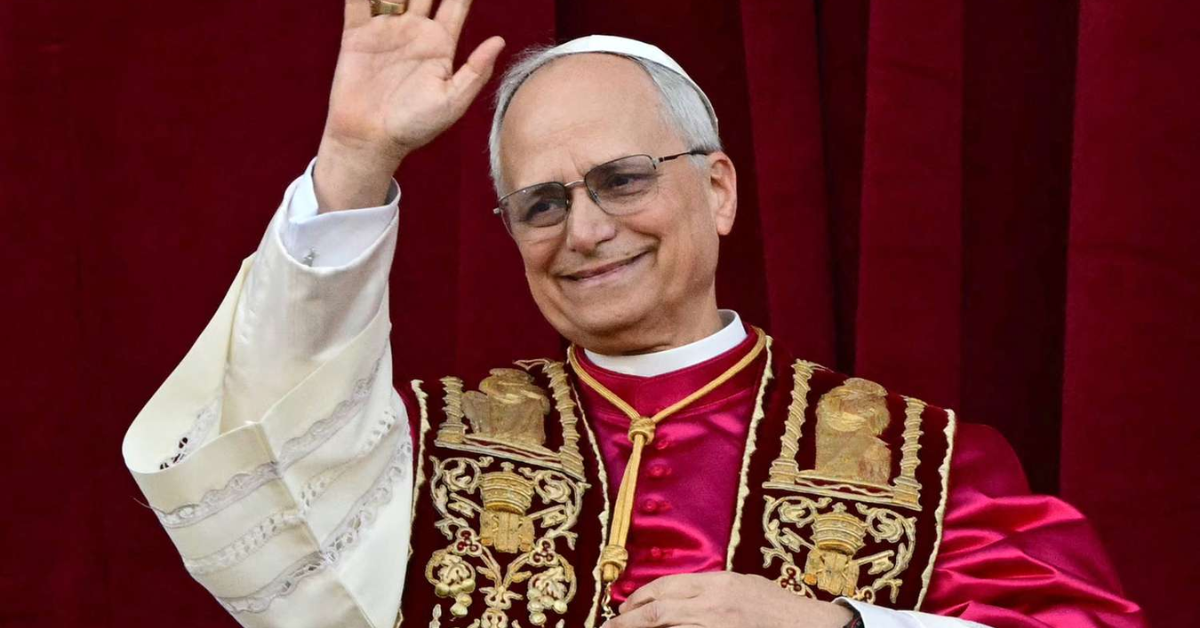
CASTEL GANDOLFO, Italy — Pope Leo XIV renewed his appeal for a global Christmas Day truce, urging nations and people of goodwill to observe at least 24 hours of peace amid continuing conflicts around the world.
Speaking to reporters at his residence near Rome, the pontiff expressed “great sadness” over Russia’s reported rejection of earlier ceasefire requests in Ukraine. “I am renewing my request to all people of good will to respect a day of peace, at least on the feast of the birth of our Savior,” the pope said.
Russia, which invaded Ukraine in February 2022, has repeatedly rejected calls for temporary ceasefires, arguing that such pauses could provide a military advantage to Kyiv. Despite this, Pope Leo said he hoped world leaders and combatants would still heed the appeal. “Among the things that cause me great sadness is the fact that Russia has apparently rejected a request for a truce,” he said, adding that he continued to hope for “24 hours of peace in the whole world.”
The appeal came as Ukraine announced the withdrawal of troops from a town in the eastern part of the country, underscoring the ongoing intensity of the conflict. Pope Leo also extended his message to other regions affected by war, including the Middle East.
In the Philippines, Catholic Bishops’ Conference of the Philippines president Archbishop Gilbert Garcera echoed the pope’s message, urging Filipinos to embrace unity and hope during the Christmas season.
A Pause for Peace Still Matters, Even If It Is Ignored
Calls for a Christmas truce may sound symbolic, especially in a world where wars rarely pause for holy days. Yet symbolism matters precisely because it confronts reality. Pope Leo XIV’s appeal is not naïve. It is moral. It asks leaders and combatants to recognize, even briefly, the human cost behind every strategic calculation.
A 24-hour truce will not end wars. It will not resolve territorial disputes or erase years of bloodshed. But it offers something increasingly rare. A moment of restraint. A reminder that violence is a choice repeated daily, not an inevitability.
The refusal of ceasefires reveals how entrenched modern conflicts have become. War logic now outweighs humanitarian gestures. Still, the pope’s insistence forces the world to ask an uncomfortable question. If peace cannot be honored for a single day dedicated to hope, what does that say about global priorities?
This appeal also places responsibility beyond governments. It speaks to societies that have grown numb to distant suffering, scrolling past headlines of destruction as routine updates. Indifference is not neutral. It quietly sustains conflict.
Peace does not begin with treaties. It begins with conscience. Even unanswered, the call for a truce exposes what is missing and challenges the world to reflect on why compassion feels so difficult to practice, even for just 24 hours.
Image from Jerusalem Patriarchate