
Filipino green card holder admits sending money to ISIS, kept bomb at home
Margret Dianne Fermin • Ipinost noong 2026-01-08 12:37:30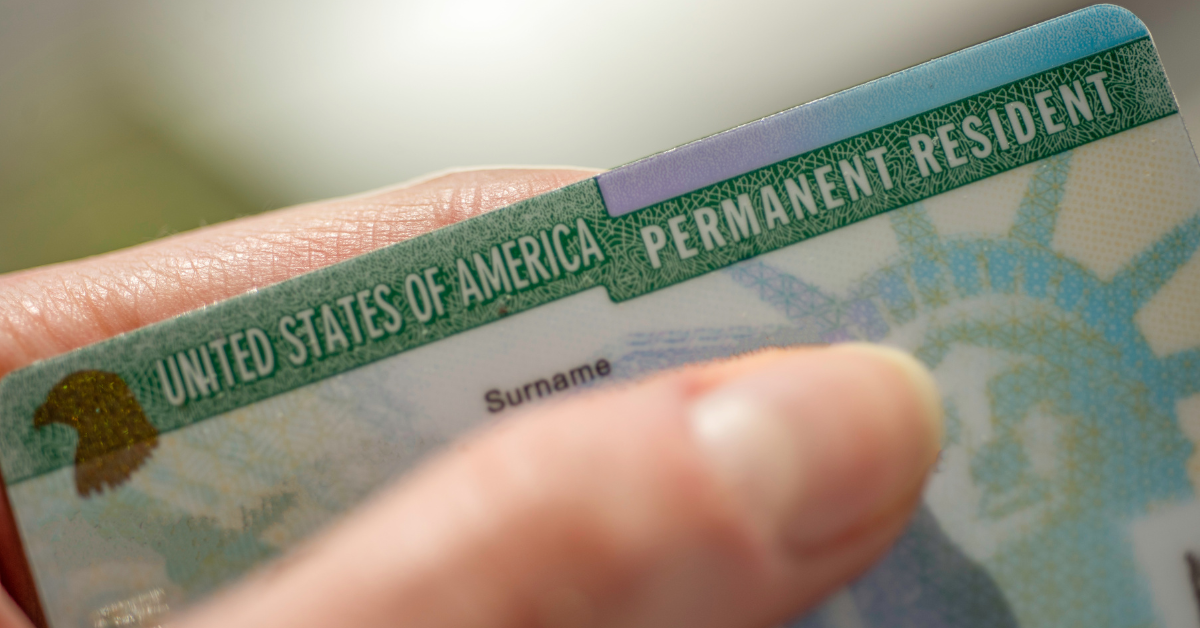
LOS ANGELES, January 8, 2026 — A Filipino national living in the United States as a green card holder has agreed to plead guilty to federal charges after admitting he sent money to ISIS and kept a homemade bomb inside his residence, according to documents filed in Los Angeles federal court.
Mark Villanueva, 29, is scheduled to formally enter his plea later this month to one count of attempting to provide material support to a foreign terrorist organization and one count of being a felon in possession of a firearm. Prosecutors said the “firearm” in question was an improvised explosive device discovered in his bedroom during an FBI raid.
Online Communications With Militants
Court papers reveal Villanueva used social media to connect with two individuals who claimed to be fighters for the Islamic State of Iraq and Syria. In those conversations, he expressed admiration for the group and pledged financial assistance.
“It’s an honor to fight and die for our faith. It’s the best way to go to heaven. … Someday soon, I’ll be joining,” Villanueva allegedly wrote to one of the contacts.
He also told another that he had a bomb and knives in his possession, prosecutors said.
Arrest and Financial Trail
Villanueva was taken into custody on August 1, 2025. Agents recovered what appeared to be a homemade explosive device from his home. Investigators later traced a series of payments through Western Union, showing Villanueva sent 12 transfers totaling $1,615 over five months to intermediaries who accessed the funds overseas.
The Justice Department said Villanueva even asked whether the money would “cover your equipment and your weapons,” underscoring his intent to support ISIS operations.
Criminal Background and Penalties
Villanueva had a prior conviction for stalking in 2017, which made him ineligible to legally possess weapons. If the plea agreement is accepted, he faces a maximum sentence of 35 years in federal prison.
First Assistant U.S. Attorney Bill Essayli stressed the gravity of the case, “Supporting a terrorist group, whether at home or abroad, is a serious risk to our national security. We will aggressively hunt down and prosecute anyone who provides support or comfort to our enemies.”
Filipino Immigrants Under a Sharper Lens
A single national security case can ripple far beyond the individual charged. When a Filipino green card holder is accused of supporting terrorism, the impact does not stop at the courtroom door. It quietly reaches thousands of lawful Filipino immigrants across the United States.
Filipino Americans have long been seen as steady contributors to U.S. society. Nurses, caregivers, engineers, service workers, and small business owners built a reputation grounded in trust and hard work. That history matters. Yet high-profile cases tied to terrorism can trigger renewed scrutiny, not just of one suspect, but of an entire community.
Lawful immigrants feel the shift. Routine travel invites second looks. Online speech feels riskier. Community spaces grow cautious. Anxiety rises, even among those who have followed every rule. The fear is subtle but real: that one crime could redefine how many are viewed.
Can the system confront real threats without placing an entire immigrant community under an unfair shadow?