
US inverts food pyramid, pushing red meat and full fat dairy
Margret Dianne Fermin • Ipinost noong 2026-01-08 09:14:46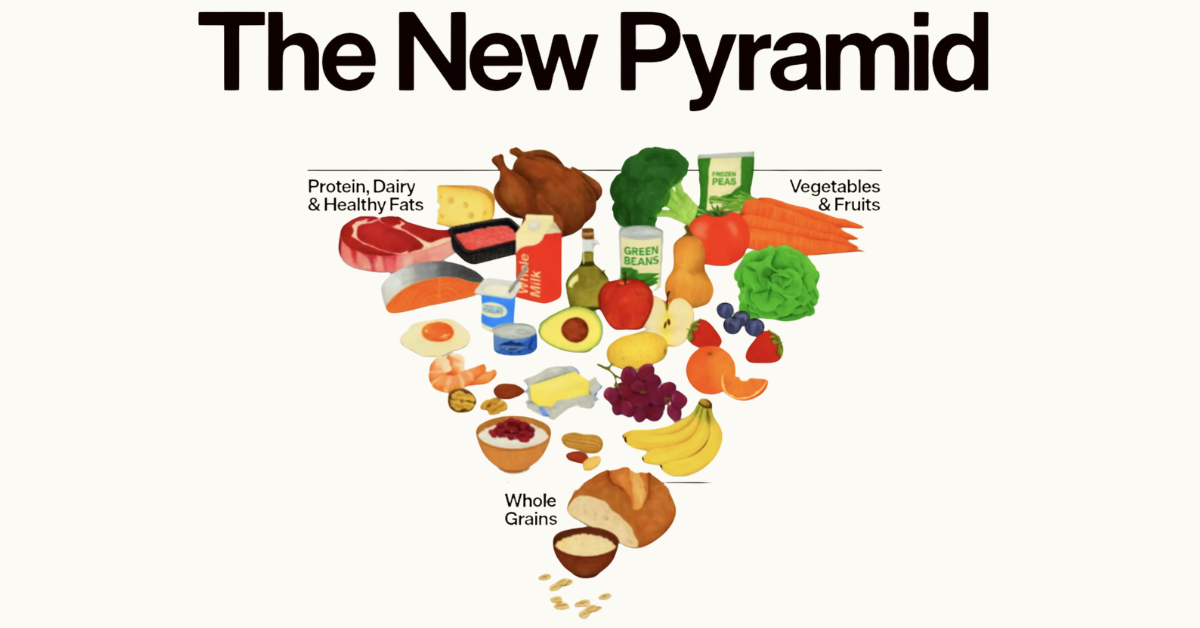
WASHINGTON, January 7, 2026 — The Trump administration has unveiled sweeping changes to the Dietary Guidelines for Americans (2025–2030), encouraging citizens to eat more red meat and full‑fat dairy while cutting back on sugar and processed foods. The updated recommendations mark a sharp departure from decades of federal nutrition advice that often discouraged saturated fats.
Health Secretary Robert F. Kennedy Jr., who spearheaded the revisions under his “Make America Healthy Again” campaign, said the country faces a “health emergency” driven by chronic disease and poor diet.
“Our message is clear: Eat real food,” Kennedy declared at a White House briefing.
Key Features of the Guidelines
The new food pyramid places meat, dairy, and healthy fats on the same tier as vegetables and fruits, while whole grains — previously emphasized — now sit at the bottom. Americans are encouraged to consume beef and other red meats regularly, reversing decades of advice to limit intake. Full‑fat milk, cheese, and yogurt are recommended, alongside cooking with beef tallow.
At the same time, the guidelines strongly discourage added sugars, sweetened beverages, and highly processed packaged foods, which officials say are driving obesity and diabetes rates nationwide.
Political and Public Reaction
Supporters argue the guidelines reflect a return to traditional diets and could help reduce reliance on industrial food products. Critics, however, warn that promoting red meat and saturated fats may increase risks of heart disease. Nutrition experts have expressed concern that the changes prioritize political messaging over scientific consensus.
The guidelines will directly shape federal food programs, including school lunches, military rations, and public health campaigns, affecting millions of Americans. They are also expected to influence consumer behavior and food industry marketing strategies.
The Trump administration insists the new approach will empower families to make healthier choices by focusing on whole, nutrient‑dense foods rather than calorie counting. Kennedy emphasized that the guidelines are designed to “end America’s addiction to sugar” and restore confidence in traditional eating patterns.
When Politics Rewrites the Food Pyramid
Nutrition guidelines are supposed to follow evidence, not election slogans. Yet the latest rewrite of the U.S. Dietary Guidelines reads less like a cautious scientific update and more like a political manifesto.
The message sounds simple: eat real food, cut sugar, reject ultra-processed products. Few would argue with that. The problem begins when ideology drives the rest. Encouraging more red meat and full-fat dairy while downplaying long-standing concerns over saturated fat marks a dramatic reversal of decades of public health research. That kind of swing demands overwhelming evidence, not campaign energy.
The irony is hard to miss. President Trump has long been open about his eating habits. He has repeatedly praised McDonald’s burgers, fries, and Diet Coke, citing convenience and personal taste. Former aides have described fast food as a staple of his routine, not an occasional indulgence. That record clashes sharply with a government-endorsed call for nutrient-dense, carefully sourced “real food.”
Public health policy should not mirror personal preference or political branding. These guidelines shape school lunches, military meals, and nutrition programs for millions who cannot simply opt out. When science bends to messaging, confusion follows, and trust erodes.
America does need better nutrition. It also needs consistency, humility, and evidence that survives politics.
So the question is unavoidable: when leaders with fast-food habits reshape national diet advice, are Americans being guided by science, or sold a narrative?
Image from Bloomberg