
Immigrant visas frozen for citizens of 75 countries under Trump order - Policy safeguard or blanket bias?
Margret Dianne Fermin • Ipinost noong 2026-01-15 10:53:44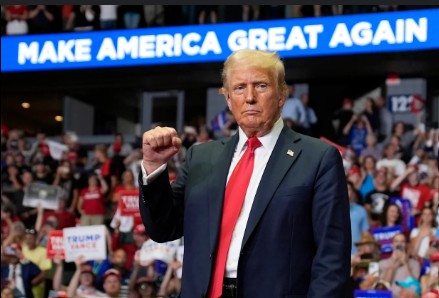
January 15, 2026 – Washington, D.C. The Trump administration has announced a sweeping suspension of immigrant visa processing for citizens of 75 countries, citing concerns that applicants are “likely to take welfare and public benefits” in the United States. The directive, set to take effect on January 21, marks one of the most extensive immigration restrictions in recent years.
According to a State Department memorandum, consular officers have been instructed to refuse immigrant visas under existing law while the department reassesses screening and vetting procedures. The suspension applies only to immigrant visas, which grant permanent residency, and does not cover short-term visas such as tourist or student permits.
The affected countries span Asia, Africa, and parts of Latin America. Among those listed are Afghanistan, Bangladesh, Cambodia, Nepal, Pakistan, Somalia, Nigeria, Egypt, Iran, Iraq, Brazil, and Russia. Officials argue that immigrants from these nations have “taken welfare from the American people at unacceptable rates,” a claim that has drawn sharp criticism from immigration advocates.
The administration’s move is closely tied to its stricter enforcement of the “public charge” rule, which bars entry to individuals deemed likely to rely on government assistance. President Donald Trump has repeatedly emphasized reducing immigration from developing nations, framing the policy as a measure to protect U.S. taxpayers.
Human rights groups and immigration lawyers warn that the suspension could disrupt family reunification, employment-based migration, and humanitarian cases. Legal experts also anticipate constitutional challenges, arguing that the policy discriminates against nationals of poorer countries and undermines America’s long-standing immigration framework.
Diplomatic observers note that the decision may strain U.S. relations with several allies, particularly in Asia and Africa, where thousands of citizens are now barred from pursuing permanent residency. The State Department has not indicated how long the suspension will remain in place, leaving many applicants in limbo.
The Court of Appeals and advocacy groups are expected to weigh in on the legality of the suspension in the coming weeks, as the debate over immigration continues to dominate U.S. domestic and foreign policy.
Immigration Control or Economic Profiling, When Did Poverty Become Suspicion?
Suspending immigrant visas for citizens of 75 countries is framed as fiscal prudence. In practice, it reads like profiling by passport and income. The Trump administration says applicants are “likely” to rely on public benefits. Likely is doing heavy lifting here. It turns prediction into punishment and nationality into risk.
Blanket suspensions ignore individual records, skills, and family ties. They collapse complex lives into a single assumption about cost. The United States Department of State can reassess vetting, but fairness demands evidence, not stereotypes.
Immigration control is a sovereign right. Economic profiling is something else. When poorer nations are flagged en masse, equity erodes and trust follows. If the goal is to protect taxpayers, where is the transparent data that justifies this sweep, and why should birthplace and income be treated as grounds for suspicion rather than circumstances to assess fairly?