
Is Philippines included in Trump's visa processing suspension?
Margret Dianne Fermin • Ipinost noong 2026-01-15 10:53:47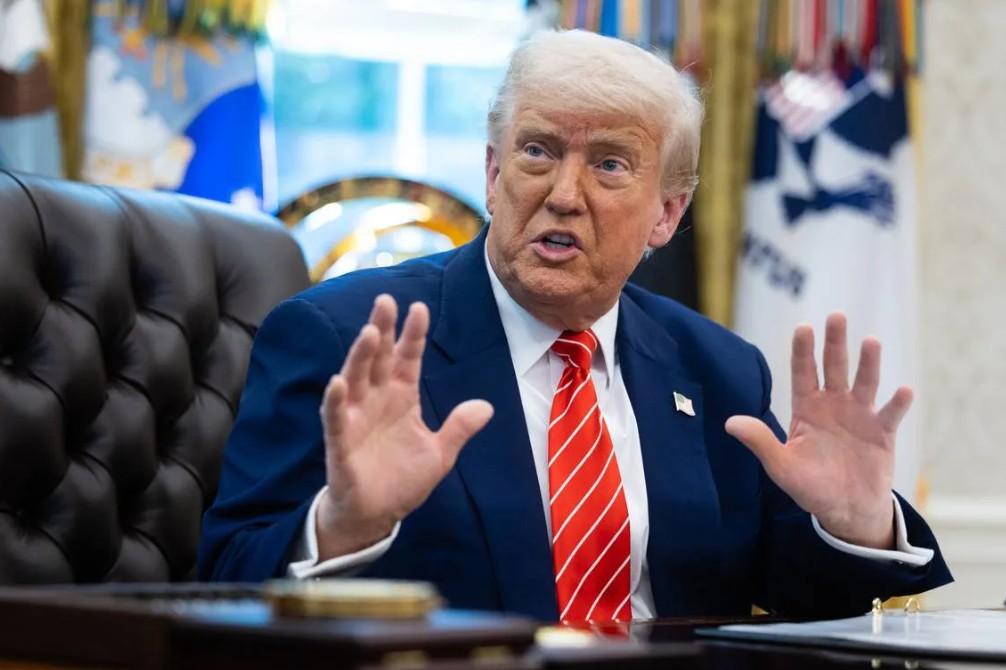
January 15, 2026 – Washington, D.C. The Philippines is not among the 75 countries affected by the Trump administration’s suspension of immigrant visa processing, Philippine Ambassador to the United States Jose Manuel “Babe” Romualdez confirmed. He assured that Filipinos can continue applying for visas as usual, even as the U.S. government enforces one of its most sweeping immigration restrictions in recent years.
The suspension, announced by the U.S. State Department on January 14, will take effect on January 21, 2026, and indefinitely halt immigrant visa applications from countries across Africa, Asia, Latin America, and the Caribbean. Among those listed are Afghanistan, Bangladesh, Brazil, Colombia, Egypt, Iran, Iraq, Nigeria, Somalia, Thailand, and Russia. The policy applies only to immigrant visas, which grant permanent residency, and does not cover short-term visas such as tourist, student, or work permits.
According to U.S. officials, the suspension is tied to stricter enforcement of the “public charge” rule, which bars entry to individuals deemed likely to rely on welfare programs. A State Department spokesperson said immigrant visa processing from the affected countries will be paused while eligibility criteria are reassessed. President Donald Trump has repeatedly emphasized reducing immigration from developing nations, framing the policy as a measure to protect American taxpayers.
The envoy’s clarification comes amid concerns raised by overseas Filipino workers and families with pending applications. With more than four million Filipinos living in the United States, the assurance provides relief that migration and family reunification plans will not be disrupted.
Immigration advocates and legal experts, however, warn that the suspension could face constitutional challenges, arguing that it discriminates against poorer nations and undermines America’s long-standing immigration framework. Analysts also note that the move may strain U.S. relations with allies in Asia, Africa, and Latin America, where many nationals are now barred from pursuing permanent residency.
For now, Filipino applicants remain unaffected, with visa processing at U.S. embassies and consulates continuing as normal. Romualdez stressed that the Philippines remains America’s oldest treaty ally in Asia and bilateral relations continue to be strong. Nonetheless, experts caution that future reviews could still affect Filipino applicants if U.S. immigration policy shifts further.
Not on the List, Still on Edge, Why Does Uncertainty Never Leave Immigration Policy?
Filipinos were spared this time. The visa suspension did not include the Philippines, and assurances came quickly from Jose Manuel Romualdez. On paper, applications move as usual. In reality, anxiety lingers.
For OFWs and families waiting on reunification, relief feels fragile. U.S. immigration policy has a habit of shifting fast, often without warning. What is safe today can be reviewed tomorrow. Exemptions depend on rules that keep changing, not on guarantees that last.
The United States Department of State frames the suspension as a reassessment. That word alone keeps people on edge. Lives, plans, and futures remain suspended by policy moods.
If clarity truly exists, why does every assurance come with an unspoken caveat, and why does uncertainty seem permanently built into the system Filipinos depend on most?