
Why does January feel so long — Is time slowing down or is our mind playing tricks on us?
Robel A. Almoguerra • Ipinost noong 2026-01-31 00:01:51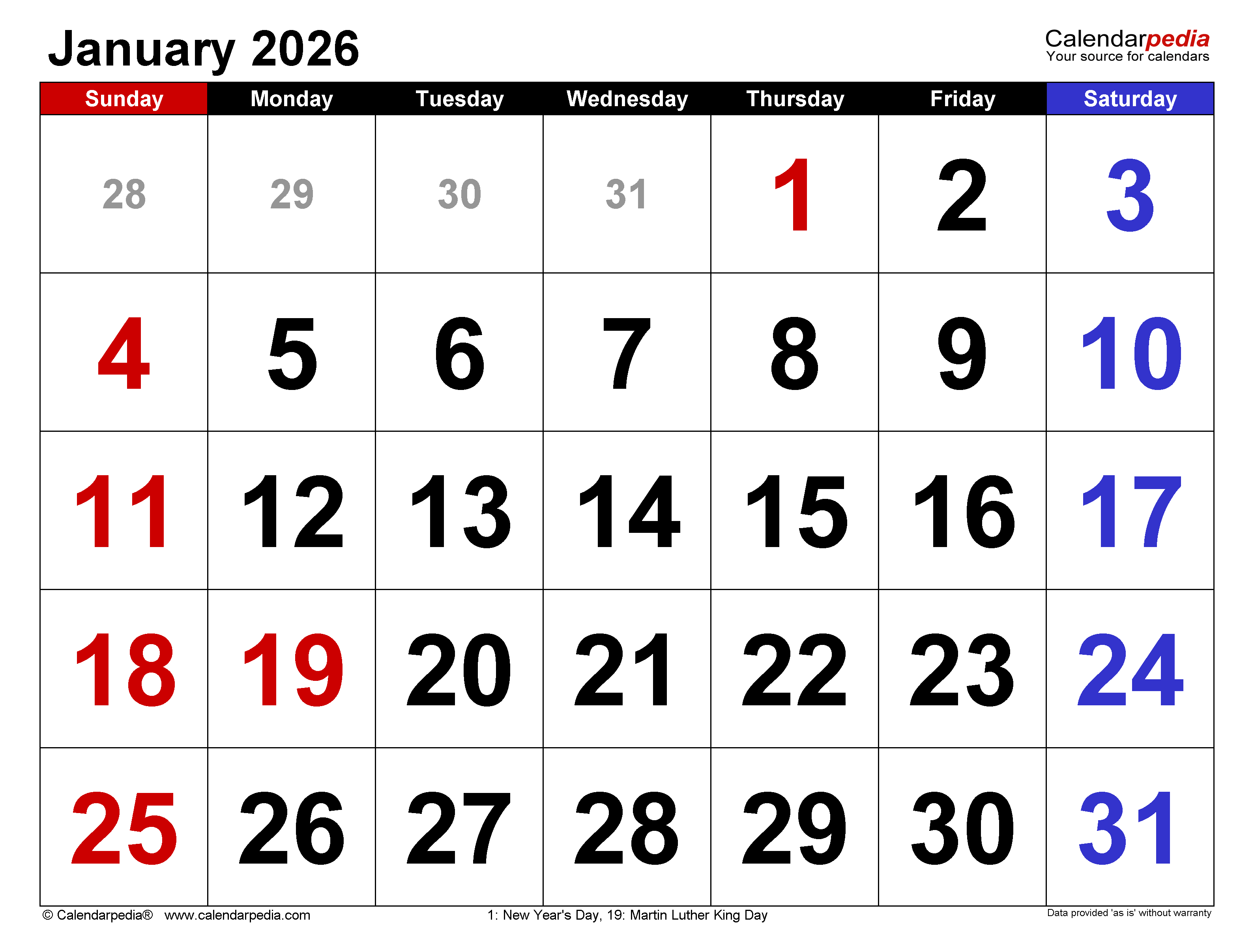
MANILA, Philippines — For many people, January feels unusually long, heavy, and exhausting. Social media memes joke about “Day 58 of January,” but beneath the humor lies a real psychological and scientific explanation. Experts say this strange perception of time is not imaginary—it is rooted in how our brains process emotion, routine, and expectation.
One major factor is the post-holiday slump. After the excitement of Christmas and New Year celebrations, life abruptly returns to routine—work deadlines, school schedules, and financial responsibilities. Psychologists refer to this as the “holiday hangover effect,” where the sudden drop in stimulation makes each day feel slower and more noticeable. Compared to December’s packed social calendar, January feels emotionally distant and dull.
Another contributor is the lack of sunlight, particularly in colder regions. Shorter days affect serotonin levels in the brain, influencing mood and energy. This biological slowdown can alter our perception of time, making days feel longer. In some cases, people experience Seasonal Affective Disorder (SAD), which deepens feelings of lethargy and emotional heaviness.
January is also the month of New Year’s resolutions. While goals are meant to inspire, they often bring pressure. Psychology studies on affective forecasting show that people tend to overestimate how quickly change will happen and underestimate how difficult it is. When progress feels slow, frustration grows—and time seems to drag.
Finally, routine and monotony play a crucial role. When days lack novelty, the brain records fewer “memory markers.” Without new experiences, time feels slower in the moment, even if it passes quickly in hindsight.
This phenomenon invites a broader reflection: if time feels longer when life feels heavier, what does that say about how we structure our days? Perhaps January isn’t the problem—perhaps it’s a reminder to seek meaning, novelty, and balance beyond celebrations and resolutions. So the question remains: if our perception of time reflects our state of mind, how might changing our daily rhythms change the way we experience our lives—starting with January? (Larawan mula sa: Calendarpedia)