
Court ruling forces PNP to overhaul social media evidence rules
Marijo Farah A. Benitez • Ipinost noong 2025-12-28 15:17:29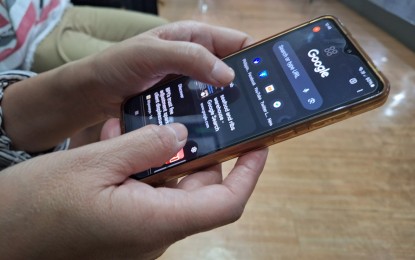
DECEMBER 28, 2025 — The Philippine National Police (PNP) has rolled out new rules on how investigators handle social media evidence, following a Supreme Court ruling that set strict standards for proving ownership of online accounts in criminal cases.
PNP acting chief Jose Nartatez Jr. said the move is meant to strengthen case-building and ensure transparency in digital investigations.
“This will help our investigators build stronger cases. For ongoing investigations, we will review digital evidence carefully while future cases will be handled more systematically and transparently when it comes to social media posts,” he explained.
The Supreme Court outlined seven guideposts for establishing account ownership: admission of authorship, access to the account, unique knowledge, similarity in language patterns, provider records or device forensics, consistency with prior posts, and other indications of control.
“Ngayon, hindi na basta-basta makokondena ang isang tao base sa screenshot o post na maaaring peke o na-hack,” Nartatez said.
(Now, a person can no longer be easily condemned based on a screenshot or post that may be fake or hacked.)
Police units nationwide have been instructed to integrate these standards into their procedures. The Anti-Cybercrime Group and regional cyber units are being equipped with advanced tools to trace, verify, and preserve digital evidence. Formal channels with platforms such as Facebook, Twitter/X, Instagram, and TikTok are also being established to speed up verification of accounts tied to criminal activity.
The ruling stemmed from a case where the Supreme Court upheld the conviction of a man for psychological violence under Republic Act 9262, after he repeatedly harassed his former girlfriend online. Despite his denials, the court cited profile photos, messages to her siblings, and other indicators consistent with the guideposts. He was sentenced to up to eight years in prison, fined ₱100,000, and ordered to undergo psychological counseling.
At a time when online posts can make or break reputations, these developments could shape how digital freedom and accountability coexist in the country.
(Image: Philippine News Agency)