
No quorum, no referrals as ICI loses commissioners - Is oversight quietly neutralized?
Margret Dianne Fermin • Ipinost noong 2026-01-14 09:25:34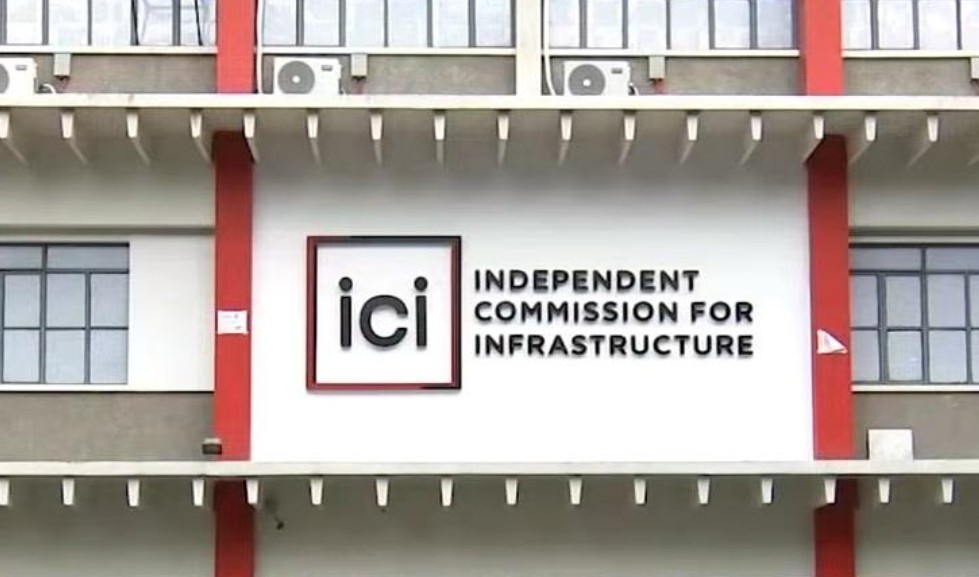
The Independent Commission for Infrastructure (ICI) has temporarily halted referrals of anomalous flood control projects to the Office of the Ombudsman due to a shortage of commissioners.
MANILA — January 13, 2026. The ICI, which was created to investigate irregularities in government infrastructure projects, confirmed that it cannot yet forward new cases to the Ombudsman while its membership remains incomplete.
Special adviser Rodolfo Azurin Jr. explained in a press briefing that the commission is continuing its probe but lacks the quorum needed to make formal referrals. “Wala munang referral because kulang pa kami ng commissioner,” Azurin said, noting that only ICI chairperson Andres Reyes Jr. remains in the body after the resignation of former commissioners Rogelio “Babes” Singson and Rossana Fajardo.
Singson stepped down in December 2025 citing health and security concerns, while Fajardo said she had already completed the work she intended to accomplish. Their departure left the commission unable to meet the minimum membership requirement to elevate findings to the Ombudsman. Azurin assured, however, that the staff continues to gather evidence and prepare case files so that once new commissioners are appointed, referrals can be submitted without delay.
Meanwhile, the Anti-Money Laundering Council (AMLC) has frozen an estimated ₱21.2 billion worth of assets linked to the anomalous flood control projects. These include bank accounts, e-wallets, insurance policies, vehicles, and aircraft. Authorities said the move was part of efforts to recover ill-gotten wealth and prevent suspects from disposing of assets while investigations are ongoing.
ICI officials emphasized that while referrals are on hold, investigations into questionable flood control projects are still active. The commission has been scrutinizing contracts and project implementations amid allegations of overpricing, ghost projects, and misuse of public funds. Azurin appealed to the public to cooperate by providing information that could help in asset recovery and case buildup.
The delay in referrals has raised concerns among watchdog groups, who fear that prolonged vacancies in the commission could stall accountability efforts. The Palace has yet to announce replacements for the resigned commissioners. Until then, the ICI’s findings remain in limbo, awaiting formal transmission to the Ombudsman for possible prosecution.
When Resignations Stall Justice, Is This Design or Convenient Neglect?
An anti-corruption body that can investigate but cannot act is a system frozen by absence. The Infrastructure Commission of Inquiry sits without a quorum, its findings trapped on desks while billions linked to flood control anomalies wait for prosecution. Two commissioners walked away. No replacements arrived. Justice paused.
This is no small delay. Every resignation weakens momentum. Every vacant seat buys time. Meanwhile, assets are frozen by the Anti-Money Laundering Council, proof that the evidence is serious enough to act on. Yet referrals to the Office of the Ombudsman cannot move.
The harder question lingers. Why can no one stay inside the ICI, and why does the state tolerate a watchdog that cannot bite? Is this paralysis accidental, or quietly useful to those who benefit from delay?