
DOJ subpoenas Bayan leader Renato Reyes over Sept. 21 protest — Is dissent being criminalized?
Margret Dianne Fermin • Ipinost noong 2026-01-16 12:47:18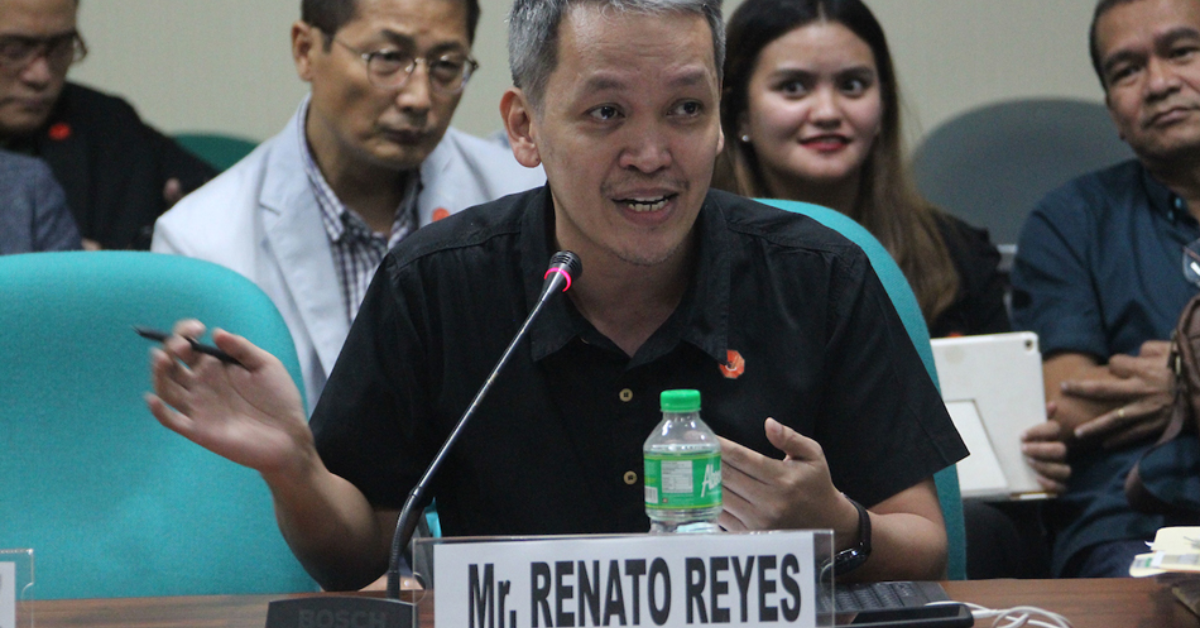
January 16, 2026 – Manila, Philippines. The Department of Justice has issued a subpoena against Bayan President Renato Reyes over sedition and inciting to sedition charges stemming from the nationwide protest held on September 21, 2025.
The case was filed by Lt. Col. Jonathan Estrada of the Philippine National Police, who accused Reyes of violating the Cybercrime Law and inciting unrest during demonstrations that highlighted alleged anomalies in government flood control projects.
Reyes confirmed receipt of the subpoena and said he was ordered to appear before the DOJ on January 15 and January 26 to submit his counter-affidavit. He strongly denied the accusations, calling them baseless and politically motivated.
“The allegations against me are patently false, and the claims of sedition are entirely manufactured. These charges rest solely on the fact that I attended the September 21 protest and am a publicly known activist,” Reyes said in a statement.
The September 21 protest, which coincided with the anniversary of the declaration of Martial Law in 1972, drew thousands of demonstrators nationwide. The rallies were organized by Bayan and other progressive groups to denounce corruption in infrastructure projects and to call for accountability from government officials.
Violence erupted near Malacañang Palace when police clashed with protesters, leading to injuries on both sides and further fueling tensions between activists and authorities.
Legal experts note that sedition charges are rarely filed against protest leaders, and the case against Reyes could set a precedent for how dissent is treated under the current administration. Human rights advocates have criticized the move, warning that it may be part of a broader effort to silence critics of President Ferdinand Marcos Jr.
For now, Reyes has vowed to fight the charges in court, asserting that his participation in the protest was a legitimate exercise of free speech and assembly. “These cases are meant to intimidate activists, but we will not be silenced,” he said.
The DOJ’s hearings later this month will determine whether probable cause exists to elevate the charges to trial. If pursued, Reyes could face imprisonment if convicted of sedition and related offenses.
Selective Aggression?
The sedition case against Renato Reyes exposes an uncomfortable pattern. When protesters take to the streets to question flood control corruption, the justice system moves quickly. Subpoenas are issued. Charges are filed. The language is heavy, the response forceful.
But when the issue shifts to alleged misuse of public funds, ghost projects, and substandard infrastructure, the pace slows. Investigations drag on. Commissions thin out. Accountability is discussed, not delivered.
This imbalance matters. It shapes public trust. A system that acts decisively against dissent but cautiously against corruption sends a clear signal about priorities. Order is enforced faster than answers. Critics face legal risk sooner than those accused of wasting billions.
No democracy is strengthened by treating protest as a threat while corruption remains procedural. Why does the justice system feel tougher on dissent than on the misuse of public funds?