
PPPI, SSS launch Pambansang Botika to cut drug prices — can access scale fast enough?
Margret Dianne Fermin • Ipinost noong 2026-01-27 09:21:44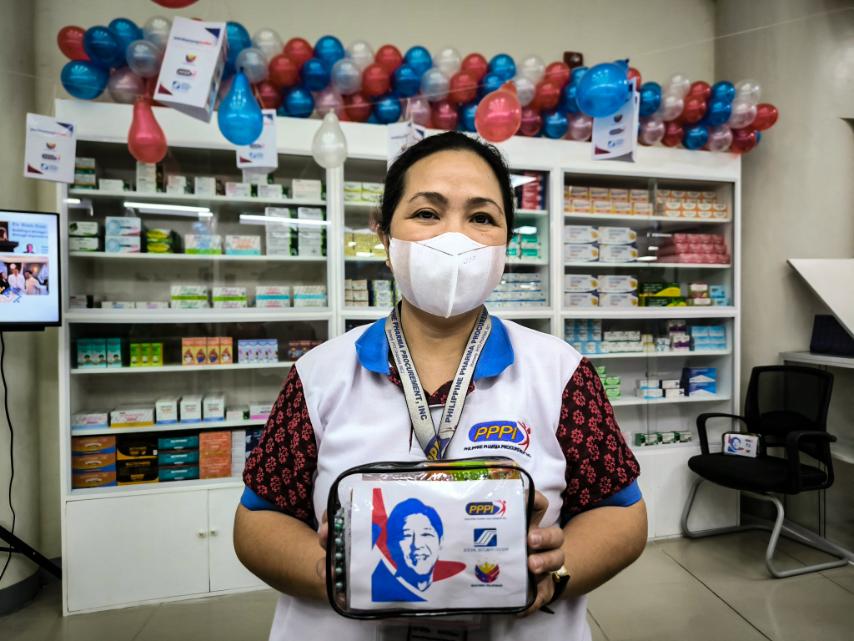
QUEZON CITY, Philippines, January 27, 2026 — The Philippine Pharma Procurement Inc. (PPPI), in partnership with the Social Security System (SSS), has formally launched the Pambansang Botika at Bakuna para sa Mamamayan, a program designed to lower the cost of medicines and vaccines for Filipinos. The initiative revives and expands the former “Botika ng Bayan,” which was previously limited to health centers and government hospitals.
PPPI President and CEO Maria Blanca Kim Lokin said the program fulfills President Ferdinand Marcos Jr.’s vision of providing affordable and quality medicines to the public. “With the establishment of Pambansang Botika, we only make President Marcos Jr.’s dream come true as he wants that the Filipino people should have more access to affordable and quality medicines,” Lokin said.
The first branch opened at the SSS Diliman office in Quezon City, but officials emphasized that the program’s reach will not be confined to urban centers. Lokin explained that the goal is to make cheaper medicines available even in remote areas, ensuring that underserved communities benefit from the initiative.
PPPI is also exploring partnerships with micro, small, and medium enterprises (MSMEs) to accelerate expansion. Lokin revealed that the agency is targeting up to 1,000 outlets within the year, contingent on faster licensing approvals from the Food and Drug Administration (FDA). “If all factors align, especially faster approvals, our projection would be from one to 1,000 botikas in one year,” she said.
The program is expected to significantly reduce the financial burden on Filipino families, particularly those struggling with high healthcare costs. By offering medicines and vaccines at lower prices, the Pambansang Botika aims to strengthen public health access and complement existing government programs.
Analysts note that the initiative could also help curb the proliferation of counterfeit drugs by providing a reliable and government-backed source of affordable medicines. For many Filipinos, the program represents a step toward more equitable healthcare, especially in rural areas where access to pharmacies and hospitals remains limited.
As the rollout continues, the government hopes that the Pambansang Botika will become a cornerstone of its healthcare agenda, ensuring that every Filipino has access to safe, effective, and affordable medicines and vaccines.
Affordable Medicines or Ambitious Optics
Lowering the cost of medicines is long overdue. For families choosing between treatment and groceries, the Pambansang Botika answers a real need. Cheaper drugs save lives, and wider access could narrow health gaps that have persisted for decades.
But ambition does not dispense medicine. Scaling from one outlet to a thousand in a year tests supply chains, licensing, staffing, and oversight. Promises rise faster than systems, and healthcare failures are felt quietly, not announced.
Supporters see urgency finally matching demand. Skeptics see a program racing ahead of its capacity. In public health, intent matters less than delivery. Can this initiative meet the scale of Filipino need, or will execution lag behind the headline?
Image from PNA