
'Nurse in Every Barangay' bill filed to boost frontline care — Long overdue or budget nightmare?
Margret Dianne Fermin • Ipinost noong 2026-02-18 08:32:46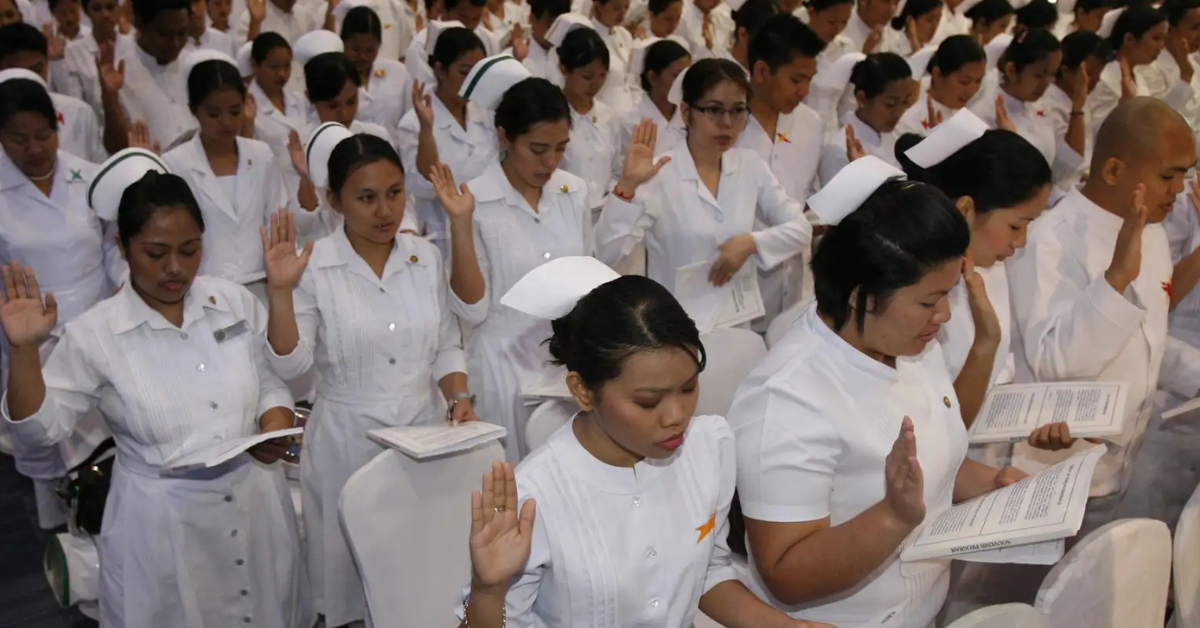
MANILA, Philippines — February 18, 2026. A new measure filed in the Senate seeks to assign at least one registered nurse to every barangay nationwide, aiming to strengthen frontline health services and address unemployment among Filipino nurses.
Senator Camille Villar filed Senate Bill No. 1764, also known as the Nurse in Every Barangay Act, on February 5, 2026. The bill proposes the creation of a national program that would employ licensed nurses and deploy them to barangays across the country. Villar explained that the measure is designed to ensure that communities, especially those in rural and underserved areas, have access to professional health care providers.
In her explanatory note, Villar cited a Department of Health report showing that around 124,000 licensed and registered Filipino nurses are unemployed, underemployed, or working in non-nursing jobs.
“This bill seeks to mobilize thousands of licensed but unemployed or underemployed nurses across the country,” she said, emphasizing that the program would not only improve health care delivery but also provide livelihood opportunities for nurses.
The measure is currently pending in committee deliberations. If passed, it would institutionalize the employment of nurses at the barangay level, ensuring that every village has at least one nurse available to provide essential health services such as maternal care, child health monitoring, disease prevention, and emergency response.
Health advocates have welcomed the proposal, noting that barangay health stations are often understaffed and rely heavily on barangay health workers who may not have formal medical training. The presence of registered nurses in every barangay is expected to significantly improve the quality of care and reduce the burden on hospitals.
The bill also comes amid concerns about the nurse-to-patient ratio in the Philippines. Experts say the ideal nurse-to-patient ratio should be 1:4 for medical-surgical units, 1:1 for Level III ICUs, 1:2 for Level II ICUs, and 1:3 for Level I ICUs.
However, many hospitals in the country fall short of these standards due to understaffing and the migration of nurses abroad. The Philippines produces around 80,000 nursing graduates annually, yet thousands of nurses leave to work overseas, leaving local hospitals struggling to fill vacancies.
This initiative underscores the government’s push to strengthen the country’s health care system, particularly in the wake of challenges exposed during the COVID-19 pandemic. It also highlights the importance of investing in human resources for health to ensure that Filipinos in all communities can access timely and professional medical services.