
Cool nights persist after Amihan — A normal transition or a reminder of changing climate patterns?
Robel A. Almoguerra • Ipinost noong 2026-03-24 22:45:50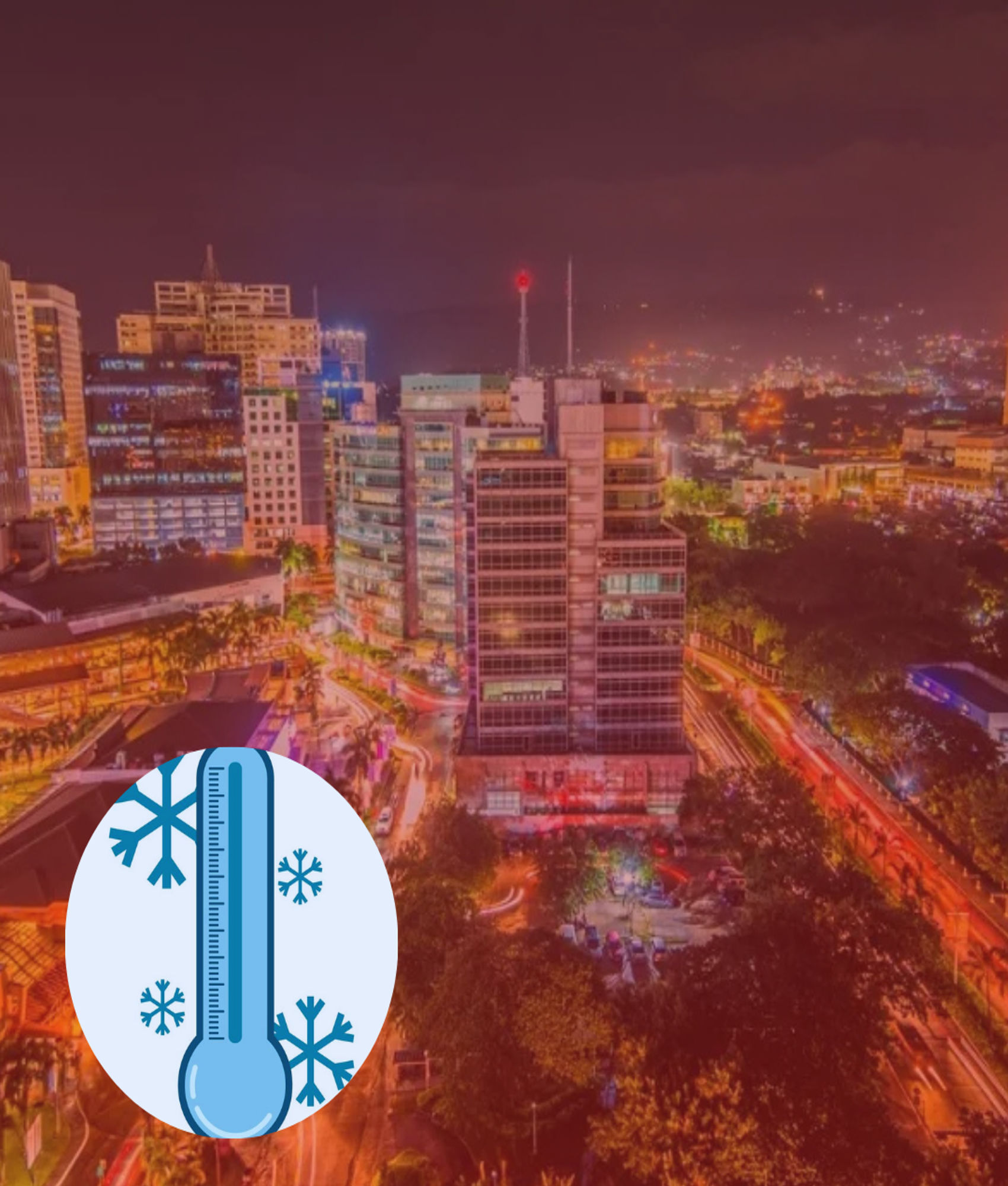
MANILA, Philippines — Even after the official end of the northeast monsoon, locally known as Amihan, many Filipinos are still experiencing cool and refreshing nights—prompting curiosity and even confusion. The Philippine Atmospheric, Geophysical and Astronomical Services Administration formally declared the termination of Amihan on March 23, 2026, signaling the country’s gradual shift toward the dry and warm season. Yet, the lingering chill after sunset tells a more nuanced story about how weather transitions actually work.
Meteorologists explain that the Philippines is currently in a transition period, a phase where remnants of Amihan-like conditions may still influence the atmosphere. This means occasional cool and dry air from the north can persist, especially during nighttime.
Another key factor is a scientific process known as Radiational Cooling. On clear nights, the absence of cloud cover allows heat absorbed by the الأرض during the day to escape rapidly into the atmosphere. Without clouds acting like a thermal blanket, temperatures can drop significantly before dawn, resulting in cooler early mornings.
The presence of dry air also plays a crucial role. Dry air heats up faster during the day but loses heat just as quickly at night. This explains the noticeable temperature contrast—hot and sometimes humid afternoons followed by surprisingly cool evenings.
Additionally, light winds contribute to the effect. When air movement is minimal, there is less mixing of warm and cool air. As a result, cooler air tends to settle near the ground, especially in the early hours of the morning, enhancing the chilly sensation.
Taken together, these factors confirm that the current weather pattern is normal and expected during seasonal transitions in the Philippines. However, such fluctuations also open discussions about how people perceive climate versus weather. While this phenomenon is not unusual, increasing variability in temperature patterns may, over time, blur the line between what is “normal” and what is not.
As the country gradually moves into the hotter months, one question remains worth pondering: Are these cooler nights simply part of a natural seasonal shift—or subtle signals of broader changes in our climate system?
(Larawan mula: Vecteezy, TripZilla Philippines)