
Diesel prices surge past ₱140/Liter in Metro Manila — Are Filipinos being pushed to the breaking point?
Robel A. Almoguerra • Ipinost noong 2026-03-24 22:54:46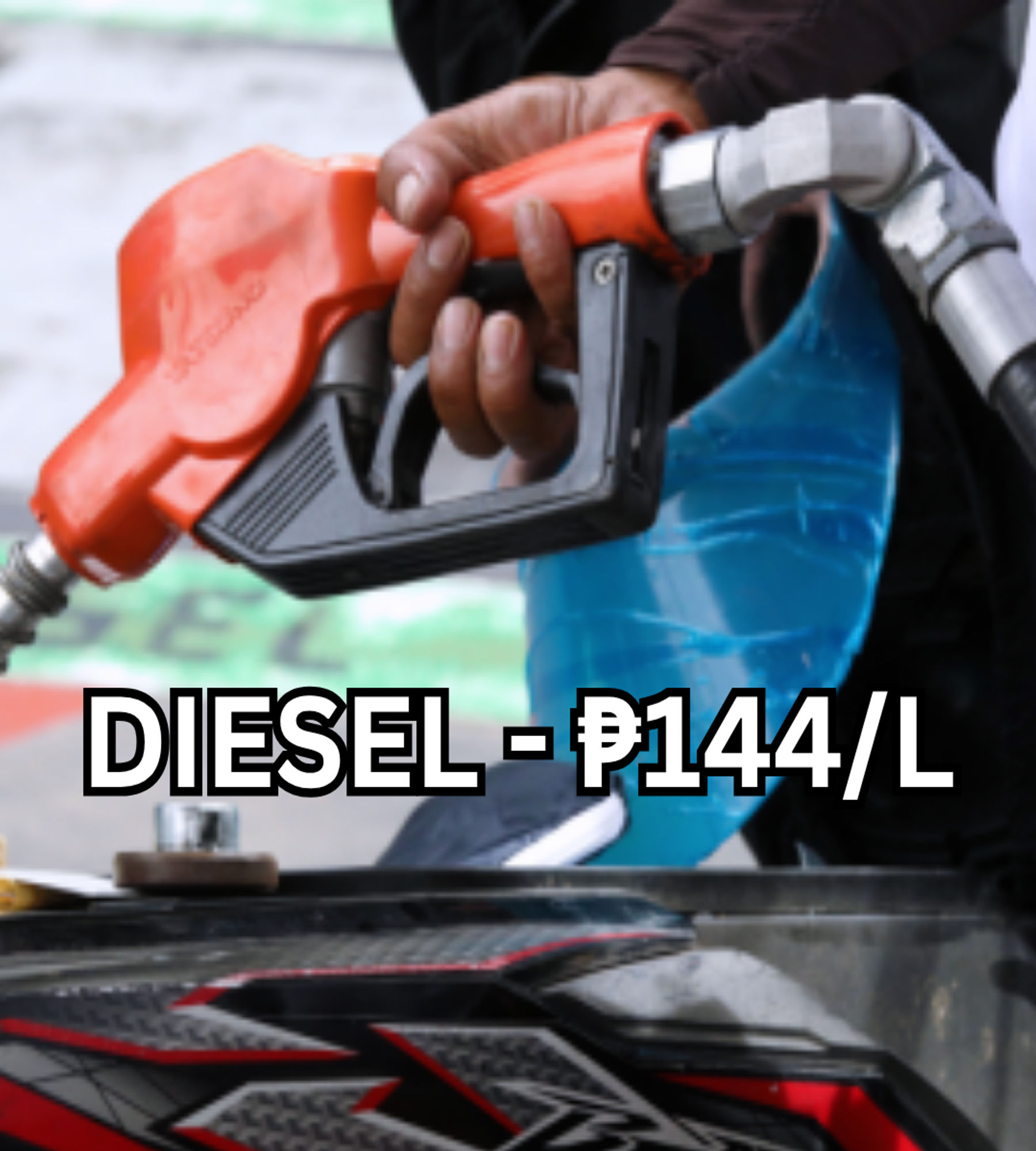
MANILA, Philippines — Fuel prices in Metro Manila have surged dramatically this week, with diesel costs climbing to unprecedented levels and placing renewed pressure on commuters, businesses, and the broader economy. According to Sharon Garin, diesel prices increased by ₱15 to ₱18 per liter, pushing regular diesel beyond ₱130 and premium diesel as high as ₱144.20 per liter.
The spike does not end with diesel. Gasoline prices are also expected to rise by ₱8 to ₱12 per liter, while kerosene may see even steeper increases ranging from ₱12 to ₱22 per liter. These adjustments, set to take effect this week, are among the sharpest fuel price hikes recorded in recent months.
The immediate impact is already being felt across multiple sectors. Public transportation operators face higher operating costs, which may eventually translate to fare increase petitions. Delivery services, agricultural producers, and small businesses are likewise bracing for the ripple effects, as fuel remains a key driver of logistics and production expenses. For ordinary Filipinos, this means higher prices not just at the pump, but also in basic goods and services.
Government officials attribute the surge to global oil market volatility, including supply constraints and geopolitical tensions. However, for many citizens, the explanation offers little comfort as daily expenses continue to rise. The situation also comes at a time when the country is under a declared energy emergency—raising further concerns about long-term energy security and price stability.
This development highlights a recurring vulnerability: the Philippines’ heavy reliance on imported fuel, leaving it exposed to international price swings. While short-term interventions may cushion the blow, the lack of sustainable, locally sourced energy alternatives continues to haunt the nation’s economic resilience.
As fuel prices continue to climb and households tighten their budgets, a pressing question emerges: How long can Filipinos endure rising fuel costs before it begins to fundamentally disrupt daily life—and what lasting solutions are truly being pursued?
(Larawan mula: PNA)