
Rising fertilizer costs threaten rice harvest — Are Filipinos heading toward another food price surge?
Robel A. Almoguerra • Ipinost noong 2026-03-24 23:13:00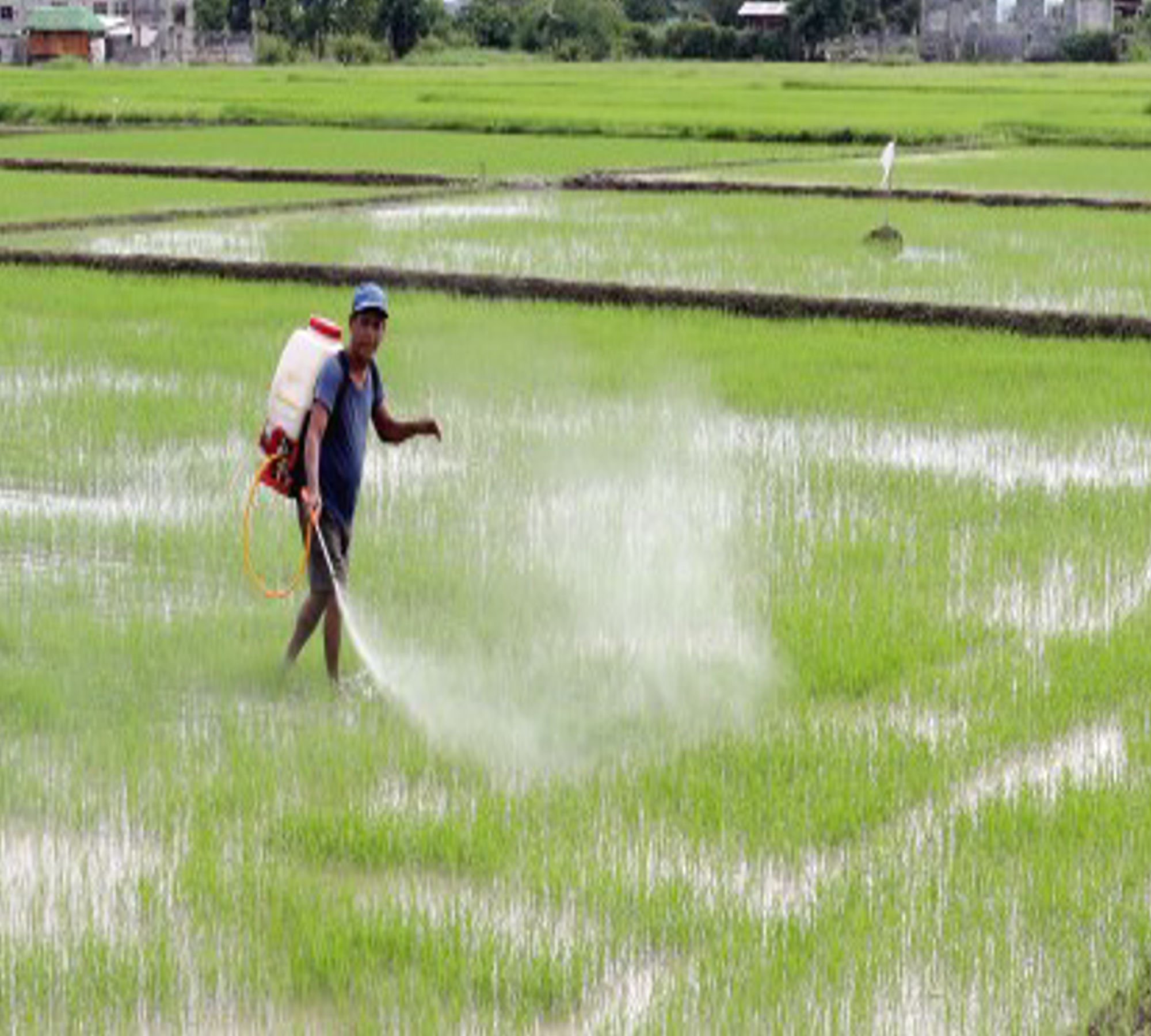
MANILA, Philippines — Filipino farmers may soon face another wave of economic pressure as fertilizer prices continue to climb, raising concerns over potential impacts on rice production and food prices in the coming months. The Federation of Free Farmers Cooperative (FFFC) has warned that the effects of this increase could be felt as early as the next harvest cycle.
According to FFFC national manager Raul Montemayor, fertilizer prices have surged significantly, with some reports indicating costs have doubled due to rising global oil prices. This sharp increase places farmers in a difficult position: absorb the higher costs or reduce fertilizer use—both of which carry serious consequences.
Reducing fertilizer application may lower production expenses in the short term, but it risks decreasing crop yields, particularly for rice, the country’s staple food. On the other hand, maintaining optimal fertilizer use means higher capital investment, which many small-scale farmers may struggle to afford. Either scenario could ultimately translate into reduced supply and higher prices for consumers.
Francisco Tiu Laurel Jr. confirmed that global fertilizer prices have nearly doubled—from around $400 to $800 per metric ton—highlighting the severity of the situation. In response, the government is coordinating with major supplier countries such as India, Russia, and Belarus to secure adequate supply.
While these efforts aim to stabilize availability, the issue underscores a deeper vulnerability: the Philippines’ dependence on imported agricultural inputs. Global price fluctuations, driven by oil costs and geopolitical factors, continue to directly affect local farming conditions.
Beyond immediate concerns, this development opens a broader discussion on agricultural sustainability and resilience. Should the country invest more heavily in local fertilizer production or alternative farming methods to reduce dependency? And how can farmers be better protected from volatile global markets?
As the next harvest approaches and uncertainties grow, one pressing question lingers: Will rising fertilizer costs quietly trigger another surge in food prices—or can timely interventions prevent a looming agricultural setback?
(Larawan mula: Philippine News Agency)