
Solar irrigation cuts costs for farmers in CamSur — A game changer or just a partial solution?
Robel A. Almoguerra • Ipinost noong 2026-03-24 23:06:48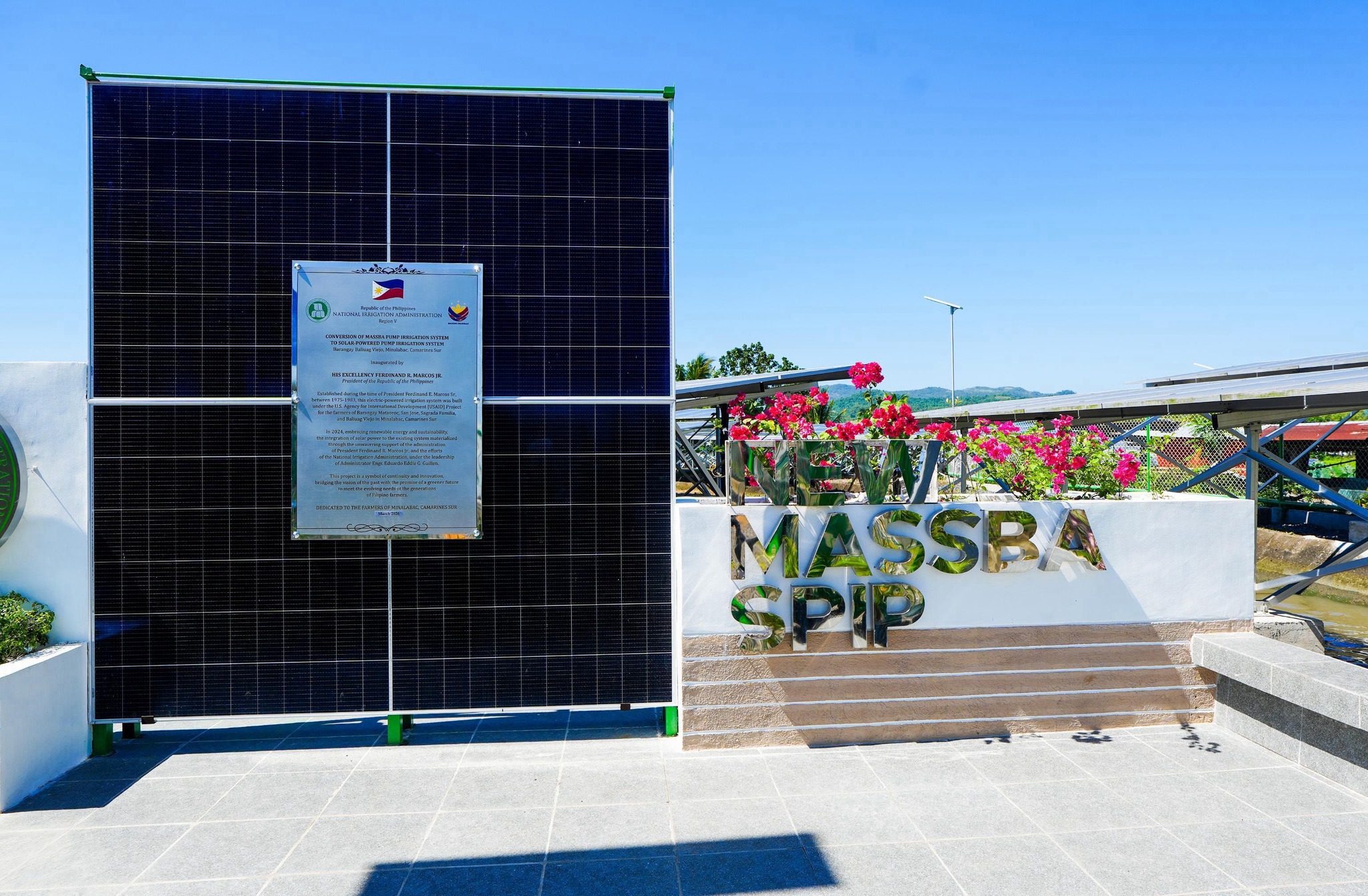
CAMARINES SUR — The Philippine government is ramping up efforts to ease the financial burden on farmers through renewable energy, with President Ferdinand Marcos Jr. highlighting the impact of Solar Pump Irrigation Projects (SPIP) in reducing electricity costs in the agricultural sector.
In a recent statement, the President pointed to successful implementation in Camarines Sur, where farmer cooperatives such as MASSBA MPC and SARFC reportedly saw their monthly electricity expenses—once ranging from ₱300,000 to ₱400,000—drop to little or even zero. These savings, according to the administration, are now being redirected toward increasing crop production, improving yields, and strengthening farmers’ incomes.
The initiative reflects a broader strategy to address one of the most persistent challenges in Philippine agriculture: high production costs. Electricity, particularly for irrigation, has long been a major expense for farmers, directly influencing food prices and supply stability. By transitioning to solar-powered systems, the government aims not only to cut costs but also to promote sustainability and energy independence in rural communities.
However, while the reported benefits are promising, the development also opens a wider conversation. Questions remain about the scalability of such projects across the country, especially in geographically isolated and disadvantaged areas. There are also concerns about long-term maintenance, funding sustainability, and whether smaller or less organized farming communities can equally benefit from such programs.
Moreover, while reducing electricity costs is a significant step, it addresses only one part of a complex agricultural system. Issues such as land distribution, access to markets, climate resilience, and post-harvest infrastructure continue to affect farmers nationwide.
From a broader perspective, SPIP may represent a shift toward modernizing Philippine agriculture—but its success will ultimately depend on consistent implementation, transparency, and inclusivity. It raises an important reflection on whether innovation alone can solve deeply rooted structural challenges. As the country looks toward securing both farmer welfare and food affordability, one critical question emerges: Can solar-powered solutions truly transform agriculture nationwide, or will their impact remain limited to select communities?
(Larawan mula: Bongbong Marcos / Facebook)