
Extra charges in electric bills explained — Fair system support or hidden burden on consumers?
Robel A. Almoguerra • Ipinost noong 2026-04-25 21:48:45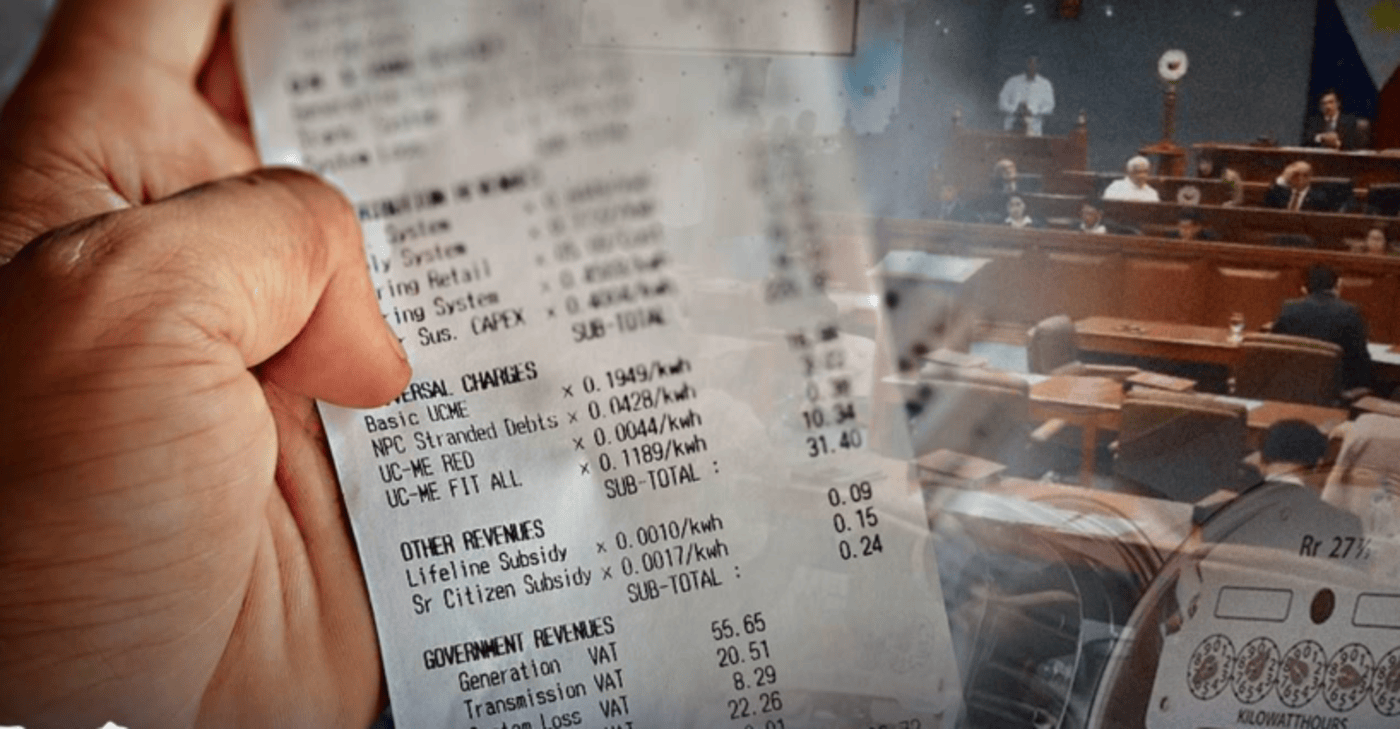
MANILA, Philippines — Many consumers have recently questioned the presence of “additional charges” in their electricity bills, including items such as Lifeline Rate subsidies, senior citizen discounts, and the Feed-in Tariff Allowance (FIT-All). While these may appear as arbitrary add-ons, most of these charges are actually mandated by government policies and energy regulations.
Distribution utilities like Meralco act primarily as collectors of these charges rather than direct beneficiaries. These companies are required to implement billing components approved by the Energy Regulatory Commission, which oversees and authorizes any adjustments in electricity rates.
A significant portion of the total electricity bill comes from the generation charge—the cost of producing electricity. This is paid to power producers such as Aboitiz Power and First Gen Corporation. In contrast, the distribution charge, which goes to utilities, typically accounts for only about 12% of the total bill.
Programs like FIT-All are designed to support renewable energy development, while subsidies like the Lifeline Rate aim to assist low-income households. In theory, these charges reflect broader social and environmental goals—helping vulnerable sectors and transitioning the country toward cleaner energy.
However, for many consumers already burdened by rising costs, these “add-ons” feel less like support systems and more like added pressure. The challenge lies in balancing long-term national benefits with short-term affordability for ordinary households.
Transparency plays a crucial role. While the charges are legal and policy-driven, public understanding often lags behind implementation. Without clear communication, even well-intentioned programs can be perceived as unfair.
Ultimately, electricity bills are not just about consumption—they reflect policy decisions, economic priorities, and social responsibility.
When consumers pay for subsidies and energy transitions through their bills, is it a shared investment for the future—or an added burden carried unevenly by the public?
(Larawan mula: ONE Cavite / Facebook)