
BOC turns over 19 Discaya cars to BIR in billion-peso tax probe
Marijo Farah A. Benitez • Ipinost noong 2026-04-30 07:42:01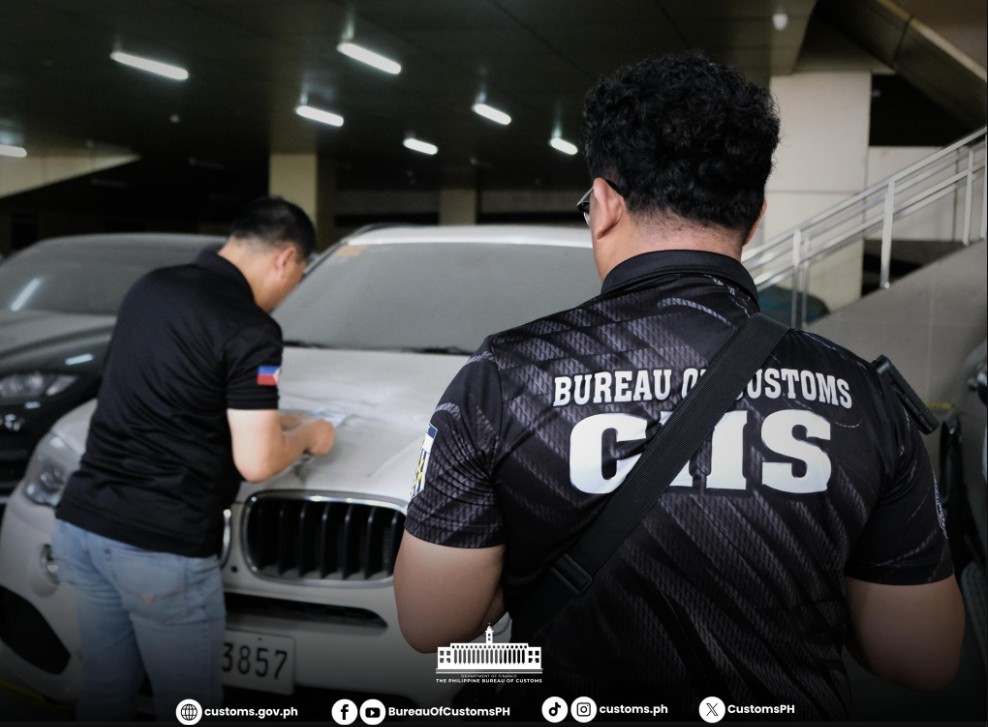
APRIL 30, 2026 — The Bureau of Customs has officially handed over 19 Discaya-owned vehicles to the Bureau of Internal Revenue, marking a new phase in the government’s effort to recover billions in alleged unpaid taxes tied to contractors Curlee and Sarah Discaya. The move shifts the spotlight from smuggling concerns to tax enforcement, with the BIR now tasked to preserve and investigate these high-value assets.
On April 29, 2026, the Bureau of Customs (BOC) formally transferred custody of 19 vehicles to the Bureau of Internal Revenue (BIR). These cars are part of the 32 Discaya-owned vehicles seized in 2025 after a Manila court issued a search warrant.
While 13 were found to have violated customs laws and were auctioned off for more than ₱102 million, the remaining 19 complied with import requirements but were placed under constructive distraint and seizure due to ongoing tax assessments against the Discayas’ company, St. Gerrard Construction General Contractor & Development Corp.
BIR Commissioner Charlito Martin Mendoza emphasized, “We are here to preserve assets and protect the government’s ability to collect taxes, while fully observing due process.”
The BIR has already filed criminal tax cases worth ₱7.18 billion against the Discayas, alongside a ₱998 million deficiency tax liability against their construction firm. These vehicles, ranging from luxury SUVs to high-end imports, are now part of the government’s arsenal to secure potential collections.
Meanwhile, auctions of seized cars continue to generate headlines. Just this week, a 2023 Rolls Royce Phantom linked to offshore gaming operations fetched ₱25.5 million at the Port of Manila. But despite the glamour, officials admit turnout has been weak, with soaring fuel prices dampening bidder enthusiasm.
Every peso collected from these auctions and tax proceedings feeds back into the national treasury, potentially funding public services. Yet the drawn-out process, involving multiple agencies like the Anti-Money Laundering Council and Commission on Audit, highlights how complex asset recovery can be in the Philippines.
The Discaya case also underscores the government’s dual role: Customs ensures proper import compliance, while the BIR pursues tax justice. Together, they remind us that wealth flaunted through luxury cars cannot escape scrutiny when public funds and tax obligations are in question.
Do you truly believe these recovered millions will translate into better public services? Or will they end up lining the pockets of corrupt authorities yet again? And if accountability remains elusive, how long can we keep waiting for real change?
(Image: Bureau of Customs PH | Facebook)