
Can ‘corporate–community’ partnerships help close the literacy gap among Filipino children?
Robel A. Almoguerra • Ipinost noong 2026-01-16 23:12:58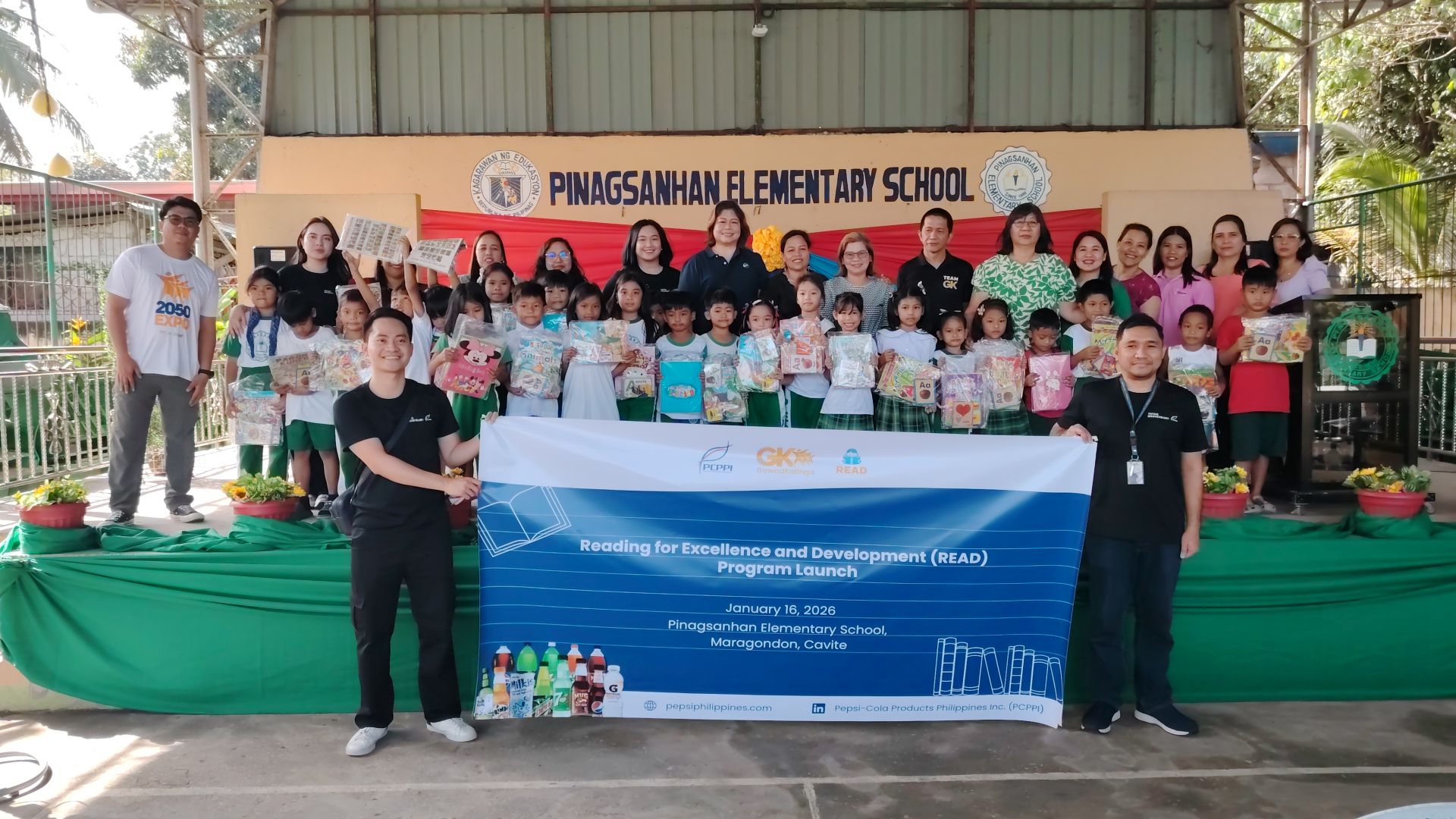
TANZA, Philippines — Pepsi-Cola Products Philippines, Inc. (PCPPI), the exclusive manufacturer of PepsiCo beverages in the country, has partnered with Gawad Kalinga to address literacy challenges among young learners through the launch of the Reading for Excellence and Development (READ) Program in Cavite. The initiative was formally introduced at Pinagsanhan Elementary School in Maragondon, Cavite, highlighting a shared commitment to education and grassroots community development.
Led by Gawad Kalinga, the READ Program is a community-based literacy intervention designed to support children aged seven to 13 who struggle with reading and comprehension. The program focuses on foundational literacy skills—an area that remains a critical concern in many public schools, particularly in rural and underserved communities. Through structured learning sessions and the provision of essential reading materials, the initiative seeks to help students gain confidence and improve their ability to understand written text.
Launched on January 16, the program will run until March 2026, offering two three-hour sessions each week. Thirty students from Pinagsanhan Elementary School are currently enrolled, benefiting from focused attention and guided learning. PCPPI reinforced its support by mobilizing 10 employee volunteers who actively participated in the program’s opening sessions, underscoring the role of corporate employees as partners in social development rather than mere sponsors.
This initiative aligns with PCPPI’s broader sustainability and corporate social responsibility agenda, particularly its focus on education and youth empowerment. At a time when learning gaps—exacerbated by poverty, limited resources, and past disruptions in schooling—continue to affect many Filipino children, partnerships like this demonstrate how private companies and civil society groups can complement government efforts.
Beyond the immediate impact on students, the READ Program sparks a wider discussion about the role of the private sector in nation-building. While public education remains a state responsibility, collaborative efforts can help bridge gaps that schools cannot address alone.
In a country where literacy is closely tied to opportunity and long-term social mobility, the question remains: can sustained corporate–community partnerships become a lasting solution to the literacy crisis, or are they only a stopgap to deeper systemic problems? (Larawan: Dennis Abrina, Cavite Press Corps / Facebook)