
QC tricycle driver breaks silence on viral clip — Accountability or digital shaming?
Margret Dianne Fermin • Ipinost noong 2026-01-21 09:57:19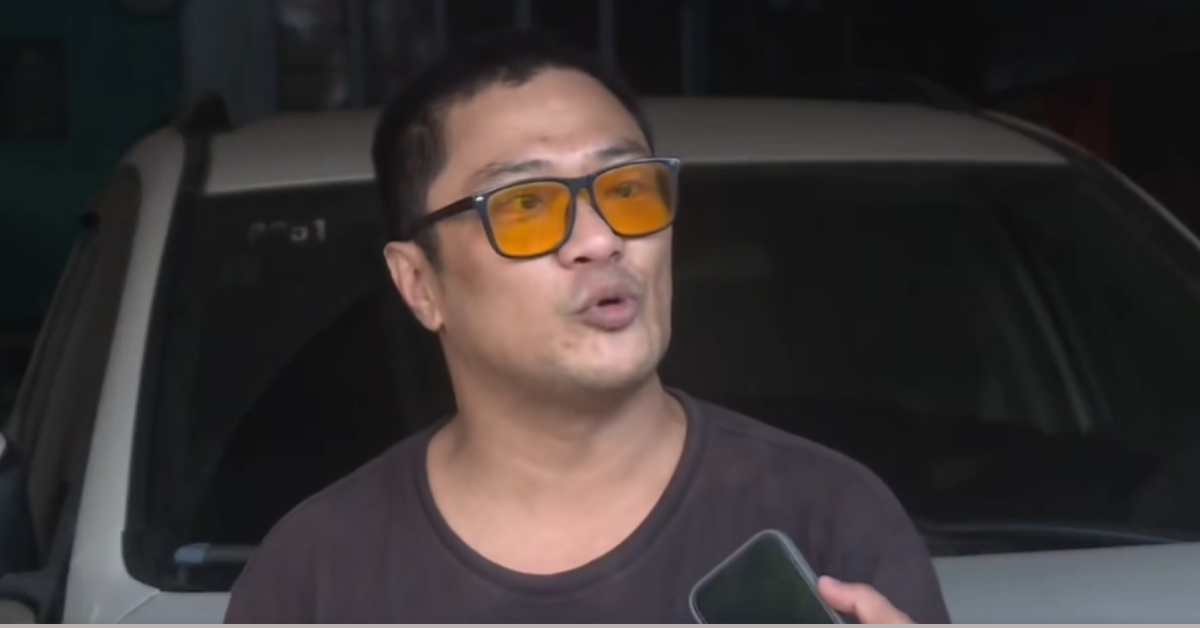
QUEZON CITY, Philippines — Jerald Sese, the tricycle driver who went viral in Quezon City after being accused of counterflowing along North Avenue, has spoken out to defend himself, insisting that the incident was misrepresented and has unfairly affected his family and livelihood.
On January 17, 2026, a video showing tricycle driver Jerald Sese allegedly counterflowing near SM North EDSA quickly spread across social media, drawing criticism from netizens and prompting action from the Quezon City Traffic and Transport Management Department (TTMD).
The footage, taken by a motorist using a cellphone, showed Sese confronting the driver and later making obscene gestures. Authorities later summoned him and issued a Show-Cause Order for multiple violations, including driving with an expired license and operating a tricycle along a national road where such vehicles are prohibited.
Sese, however, clarified his side of the story. “Hindi naman po talaga counter-flow kasi po, kung counter-flow po yun, siya po dapat yung counter-flow kasi pag sa ganong oras po, two-way po yun kasi ginagawa po yung El Arteron. Pero ang way niya po, papunta ng stoplight, hindi naman po papunta ng EDC. Bali, siya dapat yung counter-flow. Inasagilid na nga ako,” he explained, stressing that the traffic scheme in the area allowed two-way passage due to the ongoing MRT-7 construction.
He recounted that the motorist who filmed the incident stepped out of his vehicle and approached him, though no physical altercation occurred.
“Ang ginawa niya po kasi noon... Mababa siya ng sasakyan. Lumapit siya sa akin. Pero hindi niya lang siguro tinuloy kung nasaktan niya ako o ano. E di syempre, nung pagbalik niya sa sasakyan, Nakita ko, hawak nila yung cellphone niya. Hindi naman dashcam, di ba, sir? Naka, ano? Phone talaga. Oo,” Sese said, adding that he reacted emotionally upon realizing he was being recorded.
“Aminado naman po ako na pa-dirty finger ako sa kanya. Tapos, yung patakpakan. Parang yun na lang po naging ano ko sa kanya. Nasarok na lang siya. Yun po talaga yung totoo.”
The viral post, according to Sese, has caused distress to his family and community. “Yung hindi ko lang nagustuhan, bakit siya nagpost sa ganun na hindi naman totoo yung ano? Ba’t hindi niya pinost na yung ginawa niya? O di, siyempre, naging epekto sa akin doon. Naaway ako, mga anak ko, tapos sa pamilya ko, paglabas ko rito,” he lamented, noting that some fellow tricycle drivers have blamed him and even issued threats.
Quezon City officials confirmed that Sese was summoned by the TTMD and the Tricycle Regulatory Division to explain his actions. While he maintained that he was not counterflowing, authorities found that he was driving with an expired license and violating restrictions on tricycles operating along national roads.
Despite the controversy, Sese insisted he has evidence to prove his innocence. “May video ako dito na hindi taga ako counter flow. Kaya nga, salamat nga po. Katulad kami, naging tabi sa kanya na pagtanggol kay sarili ko,” he said, adding that he was able to submit his statement to traffic enforcers.
Viral Justice or Digital Vigilantism
Citizen recording can serve accountability. Cameras expose violations, prompt authorities to act, and remind drivers that roads have rules. In crowded cities, public eyes often fill enforcement gaps.
But virality strips context. A short clip becomes a verdict, posted before facts are checked or due process begins. For informal workers, online shaming hits harder than fines. Livelihoods suffer, families absorb backlash, and mistakes turn permanent online scars.
Accountability should correct behavior, not destroy lives. When enforcement starts on social media, judgment runs faster than truth. The question lingers. Are we documenting for safety, or punishing for clicks without caring who gets hurt?
Image from ABS-CBN