
Epstein hired Philippines-based SEO operation to scrub his name — PR industry for predators?
Margret Dianne Fermin • Ipinost noong 2026-02-09 17:15:46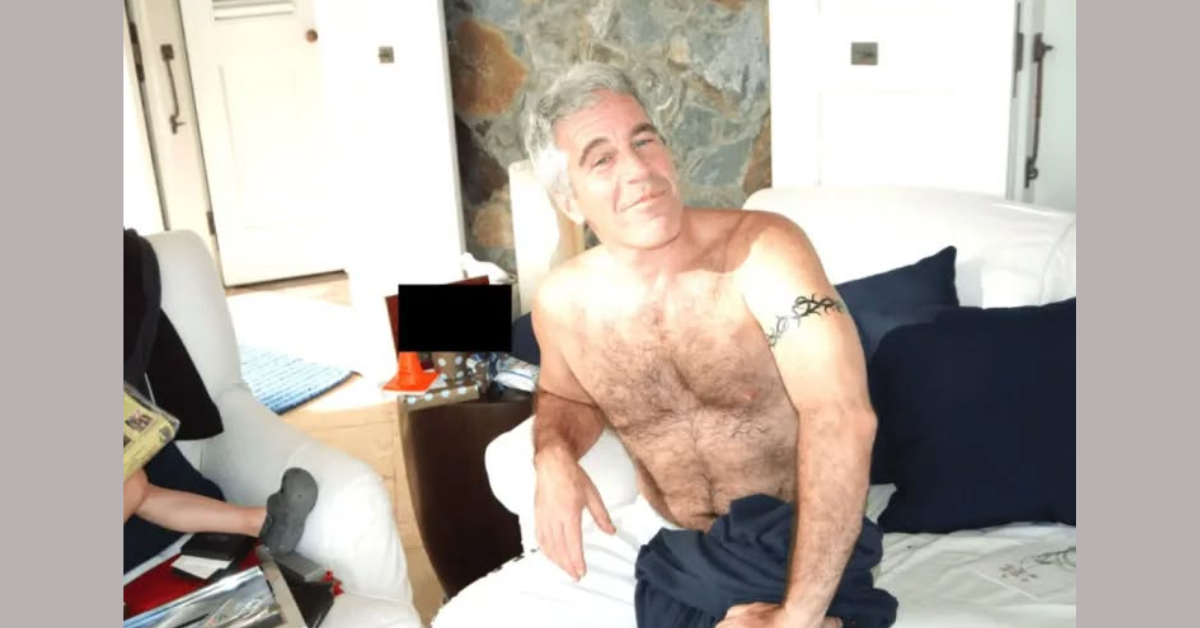
MANILA, Philippines, Feb. 9, 2026 — Newly released documents from the “Epstein Files” reveal that disgraced American financier Jeffrey Epstein hired a Philippines-based operation to sanitize his online image years before his 2019 arrest.
The files, comprising more than 20,000 pages of emails and records released by the U.S. Department of Justice, show Epstein’s efforts to erase references to his criminal past from search engines and news sites.
By 2010, Epstein was already a convicted sex offender on probation after serving a year in jail. Despite his conviction, he remained wealthy and socially connected, but was increasingly concerned about how Google’s auto-suggestions linked his name to terms like “jail” and “pedophile.”
The documents reveal that Epstein turned to Al Seckel, the husband of Ghislaine Maxwell’s sister, to lead the campaign. Seckel coordinated with a team in the Philippines to flood the internet with positive or neutral content about Epstein, aiming to push down damaging search results.
The emails detail strategies such as creating fake blogs, publishing favorable articles, and manipulating search engine optimization to bury references to Epstein’s guilty plea and jail time. While the campaign was partially successful in generating new content, it ultimately failed to erase the widespread coverage of Epstein’s crimes, which continued to dominate search results.
The revelations underscore how Epstein sought to weaponize digital reputation management to obscure his history of abuse. They also highlight the global reach of his network, which extended beyond the United States to operations in Asia.
Reputation Laundering as a Global Industry
The Epstein files expose a disturbing reality: modern accountability can be delayed, diluted, or buried through digital infrastructure designed to reward visibility, not truth. If search results can be engineered, then public memory becomes something that can be managed like a brand.
This case also reveals how reputation laundering has become outsourced labor, operating across borders where distance creates deniability. The use of a Philippines-based operation shows how online manipulation is no longer a niche tactic but an industry that can be purchased by those with money and motive.
If a convicted offender can hire systems to rewrite perception, how much of what the public “knows” is real, and how much has been optimized into silence?
Image from Facebook