
Classroom rescue: Angara calls in private partners, bets big to end crisis
Marijo Farah A. Benitez • Ipinost noong 2026-02-25 14:03:01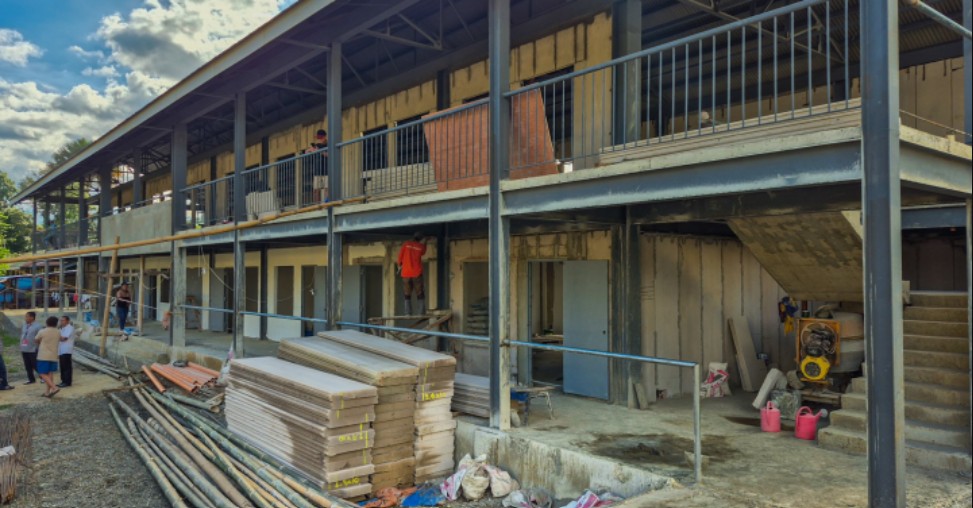
FEBRUARY 25, 2026 — Education Secretary Sonny Angara is making a bold pitch: if we want to solve the country’s massive classroom shortage, we need to let the private sector in.
Speaking at the ASEAN Editors and Economic Opinion Leaders Forum in Makati, Angara laid it out plainly: “This administration has clearly set very clear signals that they want to work with the private sector and that they need the private sector. And I think another change that President Marcos has initiated is that we want human development and human infrastructure at the core of the PPPs, not just physical development, not just building structures.”
That’s a refreshing shift in tone. For decades, the classroom backlog has been treated like a stubborn leak patched with band-aids. Today, the Department of Education (DepEd) admits the gap is staggering — 165,000 classrooms short. The new PPP for School Infrastructure Program 3 (PSIP 3) aims to chip away at that deficit by building more than 16,000 classrooms in high-need areas, with a project cost of ₱105.7 billion.
Here’s how it works: under a build-lease-and-transfer scheme, private partners will finance and construct the classrooms, while DepEd pays them back through its annual budget. The promise? Faster delivery, better maintenance, and less bureaucratic drag.
President Marcos even issued a directive last year to create a “green lane” for education PPPs, cutting red tape so projects don’t get stuck in paperwork purgatory.
But the conversation doesn’t stop at basic education. Senator Sherwin Gatchalian, chair of the Senate finance committee, revealed that state universities and colleges (SUCs) will get ₱4 billion in the 2026 budget to expand facilities and enrollment capacity. That’s crucial, considering nearly 170,000 qualified students were turned away due to limited slots.
Imagine the wasted potential — future engineers, teachers, and nurses sidelined simply because there weren’t enough classrooms or labs.
The bigger picture here is clear: education isn’t just about buildings but about opportunity. PPPs may sound like corporate jargon, but if they deliver classrooms where children can actually sit, learn, and dream, then they’re more than contracts — they’re lifelines.
Of course, the challenge is making sure these partnerships don’t just build shiny new structures but also nurture environments where learning thrives. We have long been skeptical of PPPs in other sectors, but maybe this time, the payoff is too important to ignore.
Will these partnerships finally give every Filipino child the classroom they deserve, or will we still be counting shortages years from now? What’s your take?
(Image: Philippine News Agency)