
From old speech to new debate — Why did Duterte’s ‘sipon’ comment trend again?
Robel A. Almoguerra • Ipinost noong 2026-03-12 23:13:45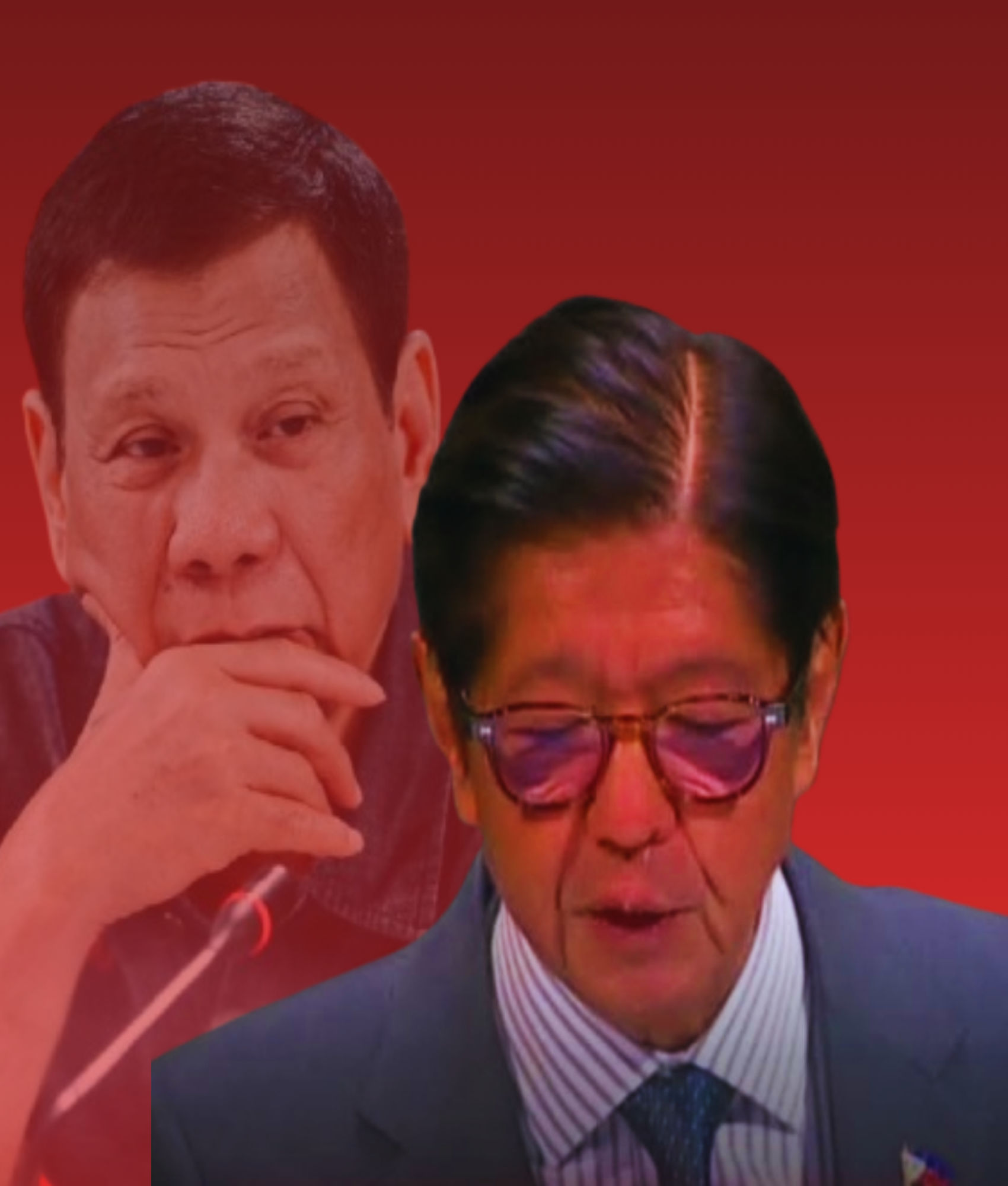
MANILA, Philippines — A past remark from former Philippine president Rodrigo Roa Duterte has resurfaced on social media, drawing renewed attention after netizens circulated clips from the recent speech of President Ferdinand Marcos Jr. at the United Nations in New York City.
The viral discussion began when some viewers noticed what appeared to be a runny nose while the president was delivering his address during the international gathering. Shortly afterward, several social media users began reposting an old statement made by Duterte during a speech on February 22, 2025.
In the resurfaced clip, Duterte joked before supporters: “Alam mo ba ang palatandaan na adik ang isang tao? Yung bigla nalang tumutulo ang sipon.”* The line has since been widely shared again in the form of quote cards, edited videos, and commentary posts.
The circulation of the remark has sparked mixed reactions online. Some users shared the clip purely as humor or satire, while others attempted to connect it to the recent viral footage from the United Nations speech. Meanwhile, other netizens have pointed out the importance of understanding the original context of Duterte’s remark before drawing conclusions.
The issue also revived discussions that have circulated in online political spaces for months. Critics have repeatedly called for President Marcos to undergo a hair follicle drug test, while supporters and officials from Malacañang Palace have dismissed the accusations as baseless speculation.
Addressing the issue, Palace Press Officer Claire Castro said the runny nose seen in the video could simply be caused by the cold weather during the event in New York.
Beyond the political personalities involved, the episode highlights how old statements, viral clips, and online interpretation can quickly reshape public discourse, especially in a digital environment where context can easily be lost. As political conversations increasingly unfold through memes, short videos, and reposted quotes, one lingering question remains: Are viral moments helping citizens stay informed, or are they simply deepening political divides through selective interpretation?
(Larawan mula: Rody Duterte / Facebook)