
Pila for ₱20 rice grows as imported grain spikes to ₱60 — profiteering or survival?
Marijo Farah A. Benitez • Ipinost noong 2026-03-17 06:07:25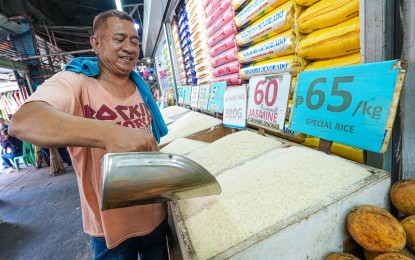
MARCH 17, 2026 — Rice — the grain that anchors every Filipino meal — is once again at the center of public discourse. Reports of imported rice selling at ₱58 to ₱60 per kilo have triggered alarm, prompting the Department of Agriculture (DA) to consider imposing a price cap.
Agriculture Secretary Francisco Tiu-Laurel Jr. said, “Ang request namin is kung pwedeng i-price cap ang imported rice using Price Act … mayroon presyo kaming nakikita na may P60 na imported rice, may P58, meron pang P60 plus sa ibang probinsya. Pero … nakaka-alarma iyon dahil dapat sa ₱50 lang or ₱48 lang dapat may kita na sila e’.”
(Our request is if we can price cap imported rice using the Price Act … we are seeing prices at ₱60, ₱58, even ₱60 plus in some provinces. It’s alarming because at ₱50 or ₱48 they should already be earning.)
The DA suspects profiteering, and frankly, so do many of us who line up at palengkes and supermarkets. Tiu-Laurel even urged buyers to haggle.
“Huwag kayong papayag na gano’n kataas iyong presyo. At subukan ninyong tawaran dahil this is not the time for profiteering,” he urged consumers.
(Don’t allow such high prices. Try to bargain because this is not the time for profiteering.)
The thing is, some traders are allegedly repacking imported rice into sacks labeled as local rice to justify higher prices. If true, this is not just profiteering — it’s deception. The DA says it will intensify inspections, with the PNP, NBI, and DTI joining the crackdown.
The bigger storm: fertilizer and fuel
Rice prices are only part of the story. Fertilizer costs, already climbing from ₱1,650 to ₱2,200, are now threatened by Middle East tensions. The DA is coordinating with the UN’s Food and Agriculture Organization to explore alternative sources.
But geopolitics is not something we can haggle with at the palengke. If fertilizer prices spike further, expect farmers to struggle, yields to drop, and rice prices to climb even higher.
Add rising fuel costs to the mix, and you have a perfect storm squeezing both producers and consumers. The government’s ₱20-per-kilo rice program is seeing longer lines, with even those who once avoided subsidized rice now “forced” to buy it.
Tiu-Laurel admitted, “Iyong dati naman na ayaw na bumili ng ₱20 bigas, ngayon mukhang nafo-force na rin bumili.”
(Those who previously didn’t want to buy ₱20 rice now seem forced to do so.)
The safety net—or is it?
The National Food Authority (NFA) insists we have enough rice.
Administrator Larry Lacson reassured the public, saying, “Ang buffer stock natin ay nasa 10.3 days to last … marami ‘yan. Even with nakikita ninyong rollout ng ₱20, ang haba ng pila, but still, hindi siya substantially nababawasan.”
(Our buffer stock is at 10.3 days to last … that’s a lot. Even with the rollout of ₱20 rice and long lines, it’s not substantially reduced.)
Well, ten days of buffer stock is not exactly comforting when you consider the volatility of global supply chains. Panic buying may not be necessary, but skepticism is healthy. We have learned to take government reassurances with a grain of salt — pun intended.
Aid for farmers and fisherfolk
To cushion the blow, the DA is rolling out ₱1,500 assistance for 50,000 fisherfolk and 48,000 farmers before the end of March. A bigger ₱10-billion Presidential Assistance to Farmers and Fisherfolk (PAFF) program is expected after Holy Week, with about ₱2,350 per beneficiary.
It’s a lifeline, yes, but let’s be real: ₱2,350 barely covers a week’s worth of fuel for a fishing boat or fertilizer for a hectare of rice land.
Rice at ₱60 is not just about profiteering. It’s about the fragility of our food system, the vulnerability of our farmers, and the desperation of consumers. Price caps may offer temporary relief, but they don’t solve the structural issues — import dependence, weak enforcement, and global shocks.
Do you believe our leaders are doing enough to keep rice — the heart of every Filipino table — affordable and within reach, or is it time we demand more than promises and inspections?
(Image: Philippine News Agency)