
DOE mulls caps to keep fuel supply flowing
Marijo Farah A. Benitez • Ipinost noong 2026-04-02 08:29:48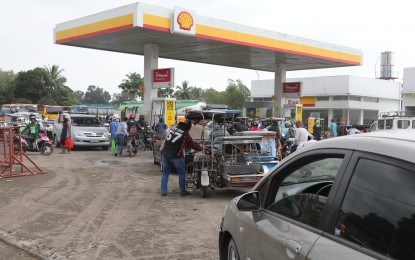
APRIL 2, 2026 — The Department of Energy (DOE) is now considering fuel purchase limits to stop hoarding as the Philippines grapples with the ripple effects of the US-Israel attacks on Iran, a crisis that has sent global oil markets into chaos. While the country still has 50 days’ worth of fuel reserves, the government is bracing for panic buying, profiteering, and artificial shortages.
The DOE’s new operating guidelines against hoarding are designed to keep fuel flowing where it’s needed most. These rules cover prohibited acts, stricter monitoring, and even show-cause orders for violators.
Energy Secretary Sharon Garin explained, “These guidelines are meant to ensure that petroleum products continue to move where they are needed, when they are needed and at a level that protects consumers, supports economic activity and upholds public order amid the impact of the Middle East conflict on global oil markets.”
Sen. Sherwin Gatchalian’s committee has floated the idea of a temporary price cap, but he’s quick to call it a “last resort.”
His warning is sharp: “LPG two weeks ago was P9 per kilo. Now it’s P40 per kilo. And we all know, carinderias, household consumers, almost 90 percent of household consumers, businesses, will be affected.”
That’s not just inflation — it’s a gut punch to food security and micro-enterprises. Imagine the neighborhood eatery forced to hike prices or shut down because cooking gas has quadrupled.
The senator also flagged profiteering, pointing out that oil firms are selling old inventory at crisis-inflated prices.
In his words, “Old inventory being sold at higher price – not just high mark-up, but almost double in some computation.”
The DOE insists the country has enough reserves — 50 days’ worth, compared to the minimum 15-day requirement. But reserves don’t mean relief. Without transparency in pricing formulas and inventory costs, consumers are left guessing whether they’re paying fair rates or being milked dry.
Meanwhile, Rep. Miro Quimbo is pushing for a national petroleum reserve and alternative energy sources. That’s a long-term fix, but the public needs immediate relief. The question is whether the government has the political will to override deregulation laws and confront oil companies head-on.
For the average Filipino, this crisis isn’t about geopolitics — it’s about whether you can afford to cook dinner, drive to work, or keep your sari-sari store lights on. Fuel purchase limits may prevent hoarding, but they also risk penalizing small buyers. Price caps may sound like salvation, but without subsidies, they could trigger shortages.
The government is walking a tightrope: protect consumers without collapsing the market, enforce rules without strangling livelihoods. And in the middle of it all, we’re left wondering if we’ll be collateral damage in this energy war.
Do you think these “emergency measures” will truly protect the public, or will they just expose how powerless Filipinos truly are against the politics of oil?
(Image: Philippine News Agency)