
DSWD says ₱2.7B driver aid could’ve been lost without strict checks
Marijo Farah A. Benitez • Ipinost noong 2026-04-24 09:01:20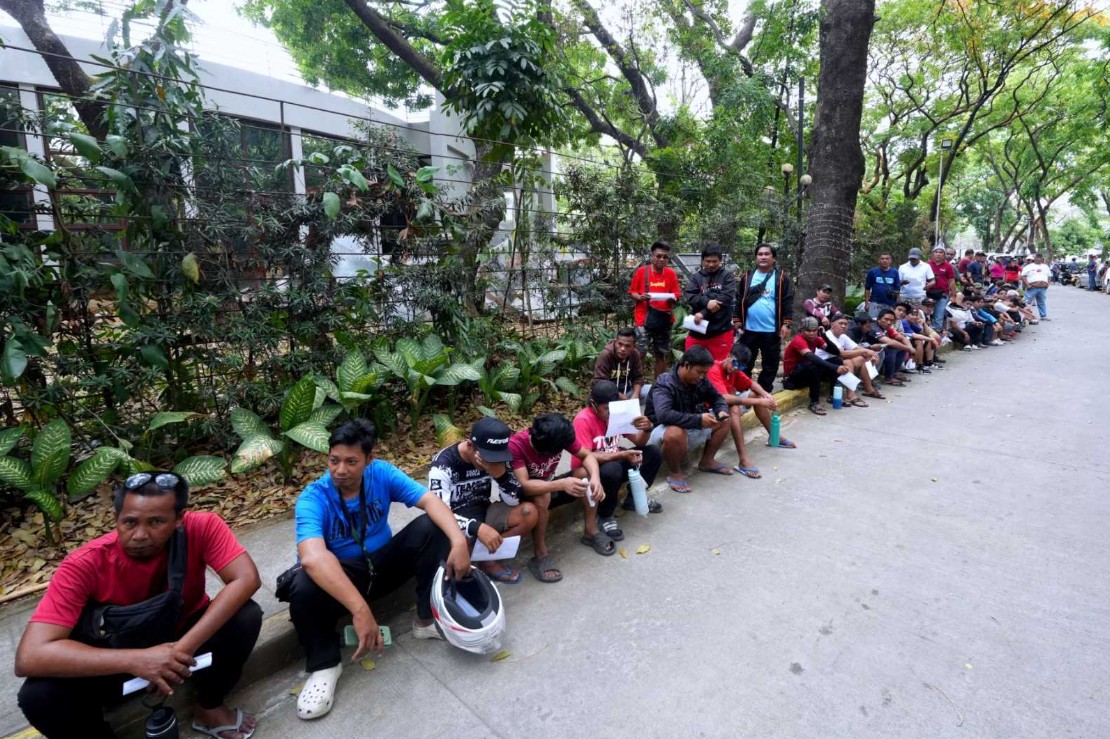
APRIL 24, 2026 — The DSWD has revealed that ₱2.7 billion in driver cash aid could have been lost to “ghost” beneficiaries if payouts were done through e-wallets without stricter validation, exposing the cracks in how relief programs are managed in the country.
The Department of Social Welfare and Development (DSWD) has already distributed ₱5.33 billion to over 1 million drivers nationwide, each receiving ₱5,000 in relief from the ₱30-billion fund. But Secretary Rex Gatchalian admitted that flawed lists from transport network companies (TNCs) contained over 385,000 duplicate entries, which could have drained ₱2.7 billion if funds were sent directly via e-wallets.
“We are not averse to using e-wallets in DSWD. In fact, our other programs, like 4Ps, already have e-wallets,” Gatchalian said. “Now, why don’t we use e-wallets in this round? Because we need to verify and validate first. Are the people we are talking about real? Second, are they real drivers?”
The errors ranged from missing middle initials to identical names with different birthdates. Some listed beneficiaries were inactive drivers, while others were working abroad.
“Around ₱2.7 billion worth of financial assistance might have gone to ghost riders, ghost drivers, duplicates. That’s how big it is,” Gatchalian stressed.
The human cost of flawed systems
The numbers are staggering, but the human side is even more telling. During the April 18–19 payouts in Metro Manila, thousands of drivers endured long queues under the scorching sun at sites like Quezon Memorial Circle and Makati Coliseum. Some arrived as early as 2 a.m., while others who had already received aid tried to line up again.
A 44-year-old motorcycle taxi rider tragically collapsed and died while waiting in line for ₱5,000 fuel aid at Quezon Memorial Circle on April 18.
Misinformation fueled the chaos, with drivers showing up outside their schedules or despite not being on the official list.
Gatchalian admitted, “We were fighting misinformation, that’s why so many came that day. We are not saying that the department is perfect. We could have done better.”
This is where the disconnect becomes clear. Relief meant to ease the burden of rising fuel costs has instead become another test of endurance for drivers — jeepney operators, motorcycle riders, and delivery couriers who already live on the margins.
The bigger question is not just about duplicates or flawed lists. It’s about why government agencies rely on incomplete or questionable data from private companies in the first place. Gatchalian even hinted that ride-hailing platforms may be withholding full lists of drivers to avoid regulatory caps.
“At hanggang ngayon pakiramdam namin may tinatago pa rin kasi nga nakita niyo naman, maraming nakatanggap pero marami pa ring nagsasabi na wala sila doon,” he said.
(Until now we feel something is still being hidden, because as you can see, many received aid but many are still saying they weren’t included.)
If platforms are gatekeeping data, then drivers — the very people who keep our cities moving — are left vulnerable. And if government oversight is weak, billions in taxpayer money risk being wasted.
This story is familiar to many of us: long lines, bureaucratic hurdles, and the constant fear that aid will not reach those who need it most. The DSWD promises to shift to e-wallets in the next round once data is cleaned up, but is that even possible given the circumstances? Will digital payouts truly solve the problem, or will they open new doors for fraud?
The ₱2.7 billion figure is a reminder of how fragile relief systems are when transparency and accountability are compromised. And for drivers who spend their days battling traffic, fuel hikes, and now bureaucratic chaos, the question is simple but urgent:
Must they really suffer in line before we demand a system that truly delivers justice and relief?
(Image: Philippine News Agency | Facebook)