
Energy Chief warns against early fuel price hike — Can authorities prevent early price manipulation?
Robel A. Almoguerra • Ipinost noong 2026-03-07 23:39:22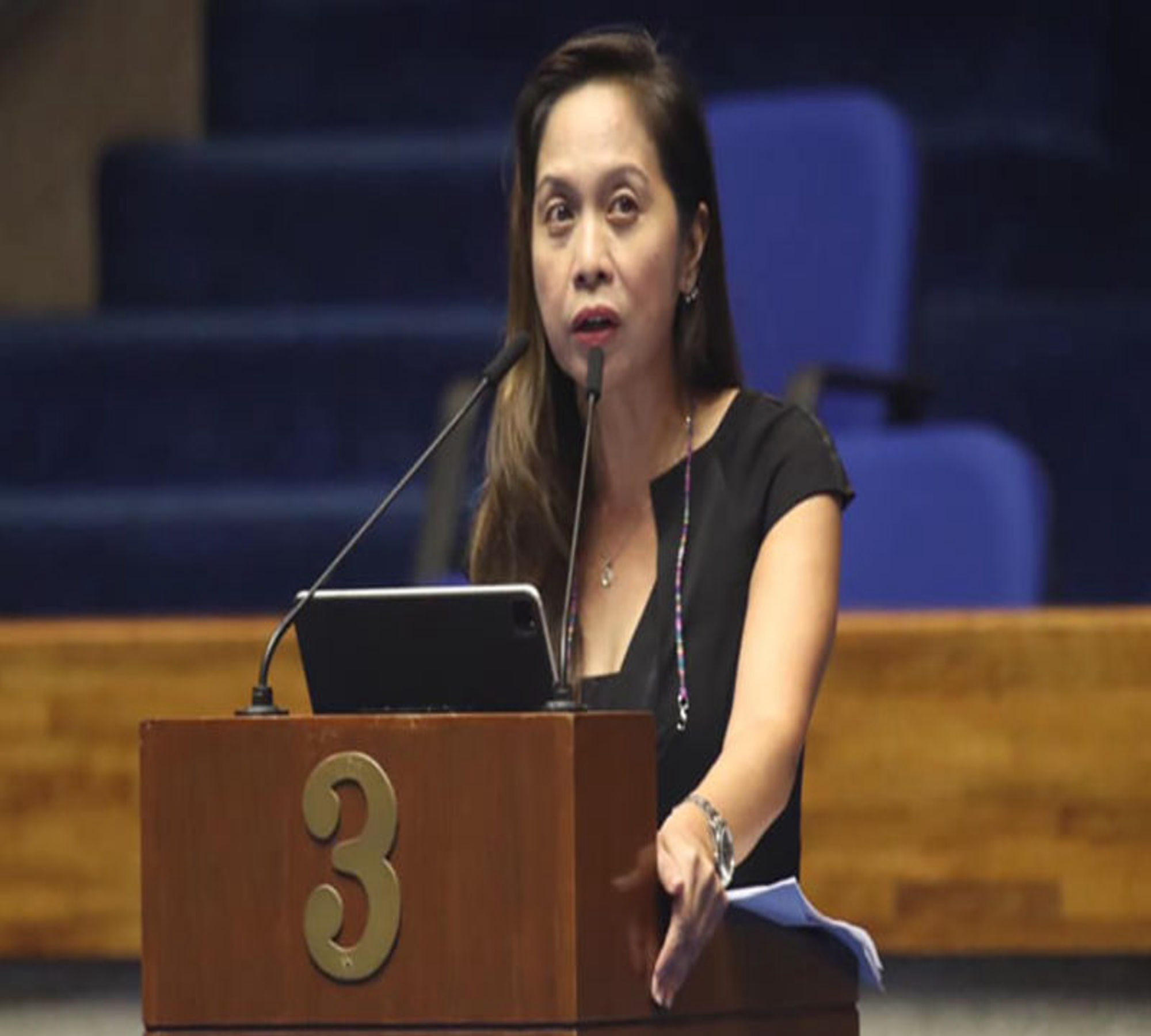
MANILA, Philippines — Energy officials have reassured the public that the next fuel price adjustment will not take effect until Tuesday, following concerns that some stations may raise prices earlier than scheduled.
In a recent statement posted on social media, Sharon S. Garin, Secretary of the Department of Energy (DOE), clarified that oil companies already implemented an increase during the previous Tuesday’s adjustment cycle. Because of this, fuel prices should remain unchanged through the weekend and until Monday.
“Prices should not change until Tuesday,” Garin said, emphasizing that any increase before the scheduled adjustment would be considered a violation.
She also noted that authorities are closely monitoring fuel stations across the country to ensure compliance. The Philippine National Police (PNP) has been placed on alert to assist in enforcement, particularly if complaints about early price hikes or profiteering arise.
According to the DOE, there are approximately 14,000 gas stations operating nationwide, making enforcement a significant logistical challenge. Because of this, Garin urged the public to help authorities by reporting any station suspected of prematurely increasing fuel prices.
The warning also echoes the directive of Ferdinand Marcos Jr., who has previously emphasized that profiteering and hoarding of fuel during price fluctuations are strictly prohibited.
Fuel price adjustments in the Philippines typically follow a weekly cycle influenced by global oil market trends. While this system is designed to provide transparency and predictability, it also creates moments of uncertainty when rumors or expectations of increases circulate among motorists and fuel retailers.
For ordinary consumers—especially drivers, transport workers, and businesses dependent on fuel—any unexpected change in pump prices can have immediate economic consequences. This is why regulators stress strict adherence to the scheduled pricing mechanism.
Yet the situation also highlights the limits of regulatory oversight in a sector with thousands of independent operators. Monitoring every station in real time remains difficult, making public participation an important part of enforcement.
The broader issue goes beyond a single price adjustment. It touches on how governments can maintain fairness in essential industries where price changes directly affect daily life.
If fuel prices must follow a strict schedule, how can regulators ensure that every station follows the rules—and what role should the public play in holding them accountable?
(Larawan mula sa: The Manila Times)