
Malacañang says that the government ‘will not sleep’ amid global uncertainty — But is monitoring enough?
Robel A. Almoguerra • Ipinost noong 2026-03-08 00:08:50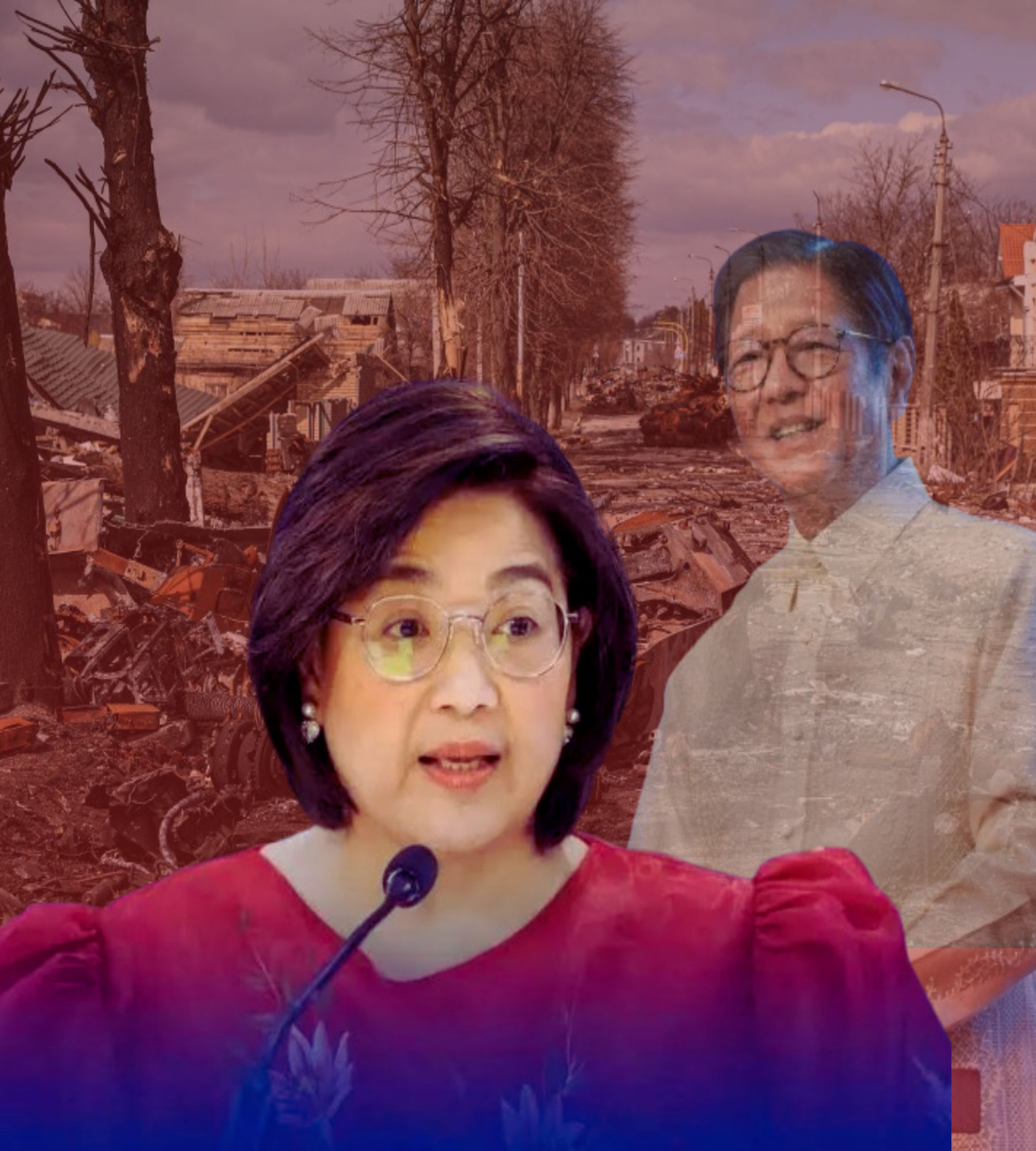
MANILA, Philippines — The Philippine government says it remains on high alert as tensions continue to rise in the Middle East, warning that developments in the region could have ripple effects on the country’s economy.
According to Claire Castro, Palace Press Officer, the administration of Ferdinand Marcos Jr. is closely monitoring the situation to ensure that the Philippines is ready to respond to any possible consequences. These include potential disruptions in global markets, particularly the volatility of oil prices.
Castro stressed that the government cannot afford to be complacent while geopolitical tensions remain unresolved. She said the President has instructed officials to stay vigilant and prepared for any scenario that may affect the country’s economic stability.
“The President wants the government to be ready for any situation, especially since the current conditions in the Middle East have not yet eased,” Castro said in a statement. “This is not the time to sleep soundly because we will be the ones who lose if the government becomes complacent.”
The warning comes as global observers continue to watch the region closely, where conflicts and diplomatic tensions have historically triggered sudden changes in energy prices. For a country like the Philippines—which imports most of its fuel supply—such developments can quickly translate into higher transportation costs, increased food prices, and broader inflation.
Economic analysts often point out that geopolitical instability thousands of kilometers away can still have direct effects on everyday life in the Philippines. A spike in global oil prices can impact everything from jeepney fares to electricity bills, placing additional pressure on households already dealing with rising living costs.
Because of this, the government’s emphasis on preparedness is not just about foreign policy awareness—it is also about protecting the country’s economic resilience.
Yet preparedness raises an important question. Monitoring events and issuing warnings are essential first steps, but real readiness often requires long-term strategies such as energy diversification, stronger reserves, and policies that reduce dependence on volatile global markets.
The situation reminds Filipinos that in an interconnected world, local stability is often shaped by distant conflicts.
If global crises can quickly affect everyday life in the Philippines, how prepared should governments be—not just to react, but to protect their people from shocks they cannot control?
(Larawan mula sa: News Inquirer.net, Bongbong Marcos / Facebook)