
Kiko champions global collective action for farmers, pushes "Sagip Saka" as blueprint for food security
Cesar Patrick F. Bonales • Ipinost noong 2026-03-11 12:13:32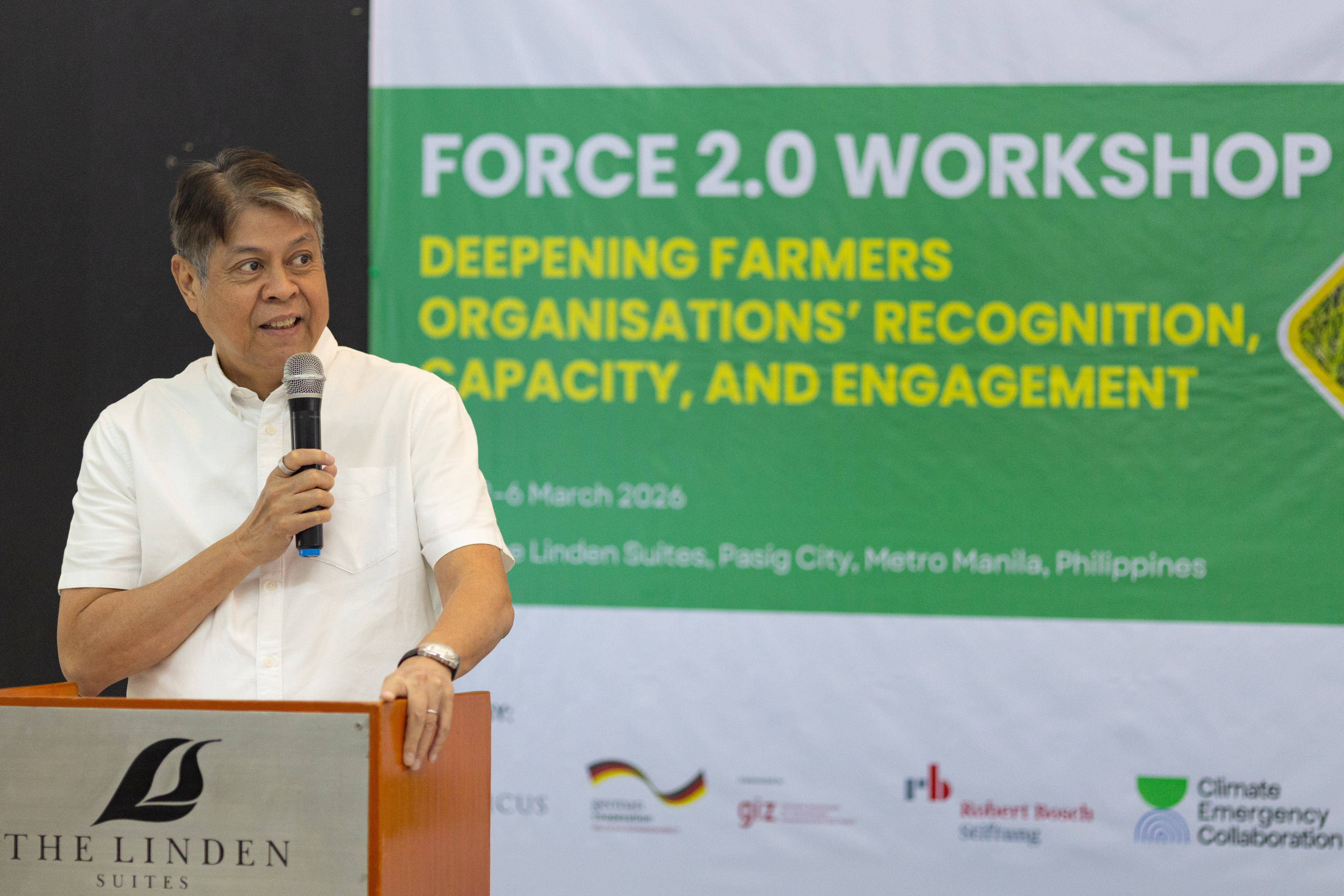
Amid uncertainties and disruptions caused by regional conflicts, Senator Francis “Kiko” Pangilinan called for global collective action to empower small-scale farmers, saying his 2019 Sagip Saka Act can serve as a blueprint for achieving food security.
The Sagip Saka Act, a law he authored and passed in 2019, allows national government agencies and local government units to buy food directly from farmers and fisherfolk without public bidding.
Speaking during the Asian Farmers Association last week, the senator and chair of the Senate Committee on Agriculture, Food, and Agrarian Reform highlighted the importance of the partnership between the government and the private sector.
He noted that events that gather family farmers around the world “is a powerful testament to the strength of collective action.”
“In a world where (the) loudest voices are often those of the rich and powerful, farmers must ensure their voices are not drowned out. Individually, you may be small but when we organize, many small voices become one strong voice,” he said.
“Therefore, organize, organize, and organize. And engage, and engage, and engage,” he added.
Acknowledging the challenges of organizing, Pangilinan underscored the government’s role in providing the “necessary vehicles or platforms and support” to empower farmers to organize themselves.
The senator, in fact, has his own Senate Bill No. 1183, or the Agricultural Cooperatives Act of 2025, being pursued in the Senate to strengthen agricultural cooperatives and allow farmers and fisherfolk expanded market and credit access.
During his speech, Pangilinan also discussed the Sagip Saka Act, explaining how it not only provides farmers and fisherfolk access to the biggest food buyer—the government—in the country, but it also aims to transition from subsistence farming to farm enterprise, management, and development.
“The law (Sagip Saka Act) encourages small farmers and fishers to organize themselves into co-ops, pooling their harvest and resources. They gain stronger negotiating power with creditors, suppliers, markets, and government agencies, and access to the markets,” he explained.
A stronger agricultural sector, he said, would guarantee food supply and protect consumers from the ballooning prices of food and other commodities due to the Middle East conflict.
“So, I’m sure many of you here today are also concerned about what’s happening in the Middle East. That will have a direct impact on farming,” he stated, pointing to the likelihood of the rising costs of fuel, fertilizer, and logistics hiking up the prices of food.
“But, again, if we are organized and we engage effectively with governments and governments have the ear to listen, then I believe we can move forward collectively,” the senator stressed.