
Philippine peso weakens — Is the country’s debt becoming unmanageable?
Robel A. Almoguerra • Ipinost noong 2026-03-24 00:40:02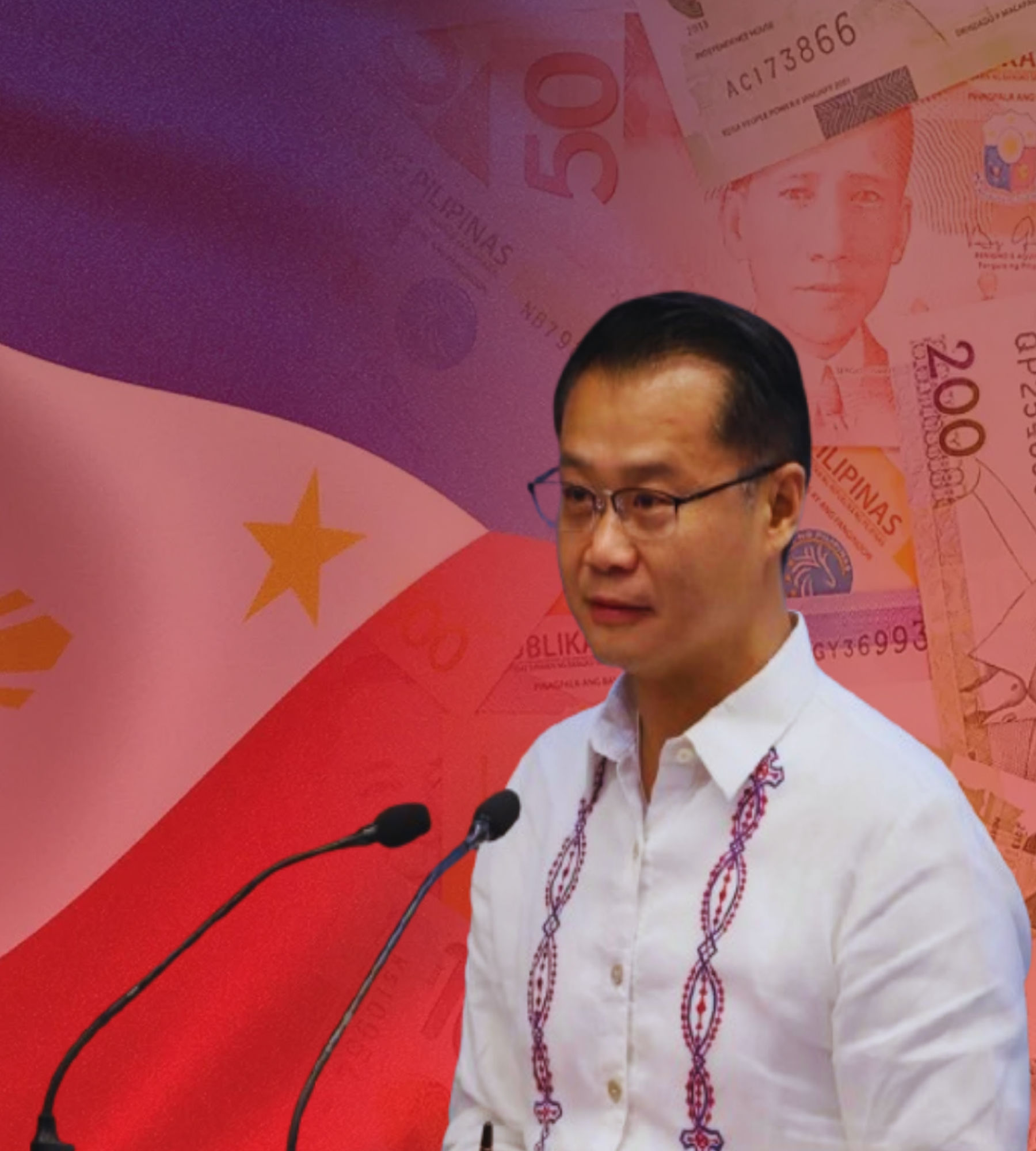
MANILA, Philippines — Senator Sherwin Gatchalian issued a stark warning regarding the potential rise of the Philippines’ national debt amid the continued depreciation of the peso against the US dollar. On March 19, 2026, the peso closed at ₱60.10 per dollar, marking a significant weakening that directly impacts the country’s financial obligations.
Gatchalian explained that approximately 30% of the Philippines’ total debt is denominated in US dollars. As a result, even without new borrowings, the peso’s depreciation automatically increases the peso-equivalent of the existing debt, placing further pressure on government finances. This situation could constrain the national budget, affecting public spending on essential services such as education, health, and infrastructure.
Moreover, the weakening peso also affects imports. Goods purchased from abroad become more expensive, raising production costs for businesses that rely on imported raw materials. This, in turn, can translate into higher consumer prices, contributing to inflationary pressures and reducing the purchasing power of ordinary Filipinos.
While currency fluctuations are part of the global financial system, Gatchalian’s warning raises broader questions about economic resilience: Are current fiscal policies equipped to manage rising debt from foreign-denominated obligations? And how can the government shield citizens from the indirect effects of currency depreciation on daily life? (Larawan mula: Sen. Win Gatchalian / Facebook)