
BSP says peso unlikely to hit P60 soon — reassurance or delayed reality?
Margret Dianne Fermin • Ipinost noong 2026-01-26 09:28:27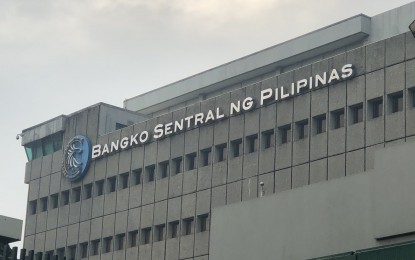
MANILA, Philippines, January 25, 2026 — The Bangko Sentral ng Pilipinas (BSP) said it does not expect the Philippine peso to breach the P60 to $1 level anytime soon, despite the local currency hovering near record lows in recent weeks. BSP Governor Eli Remolona Jr. assured the public that the central bank is closely monitoring foreign exchange movements and will act only if volatility becomes excessive.
Speaking to reporters in Manila, Remolona explained that the peso’s trajectory will determine whether intervention is necessary. “Depende how it gets there. Just because it’s P60 (to a dollar) doesn’t mean we’ll defend,” he said. When asked directly if the peso could reach P60 per dollar, he replied, “Not soon.”
He emphasized that the BSP’s role is to prevent sharp swings in the currency rather than defend a specific level. “We do what we’ve always done. We try to avoid sharp movements in the peso,” he added.
The peso closed at P59.09 against the US dollar on January 23, strengthening slightly from P59.16 the previous day. Earlier this month, the currency hit its weakest point at P59.46:$1 on January 15, surpassing previous historic lows.
Remolona noted that intervention is more likely if the peso weakens abruptly rather than gradually, suggesting that the central bank may allow the currency to test the 60-level if the movement is orderly.
Malacañang also weighed in on the issue, with Press Officer Undersecretary Claire Castro saying President Ferdinand Marcos Jr. does not want the peso to reach P60 against the dollar. “Kapag tumaas ng P60, bumaba yung value ng peso, definitely mag-i-increase yung debt natin. Because yung palitan, tataas,” she explained. “Ayaw po sana, ayaw po ng Pangulo na umabot pa ito sa P60 na palitan so abangan natin kung ano yung mapag-uusapan ng BSP patungkol dun.”
Economists have pointed out that external factors such as US Federal Reserve policy, global oil prices, and geopolitical tensions continue to weigh on the peso. Rizal Commercial Banking Corp. chief economist Michael Ricafort said the currency’s weakness reflects global market pressures but noted that the BSP’s stance on measured intervention provides stability.
The peso’s performance remains a critical issue for the Philippine economy, as a weaker currency raises the cost of imports and increases the peso value of foreign debt. However, it also benefits exporters and overseas Filipino workers who remit dollars back home.
The BSP’s assurance that the peso is unlikely to hit P60 soon is expected to calm market jitters, though analysts caution that external shocks could still test the currency’s resilience in the months ahead.
For now, the central bank maintains that its priority is to ensure orderly market conditions rather than defend a specific exchange rate, signaling confidence that the peso will stabilize without breaching the P60 mark in the near term.
Peso at the Edge, Public in the Middle
The BSP says the peso will not hit P60 to the dollar soon. Markets may find comfort in that assurance. But for ordinary Filipinos, relief is already overdue. Prices rise long before symbolic thresholds are crossed, and daily costs feel heavier even at P59.
Technocrats argue that stability matters more than defending a number. A gradual slide, they say, avoids panic and preserves market order. In theory, that makes sense. In practice, households feel the impact quietly, through food, fuel, and debt.
So the real issue is not P60 itself. It is trust. Is the peso’s danger point psychological, or is the public already paying the economic price while policy watches calmly from the sidelines?